Introduction
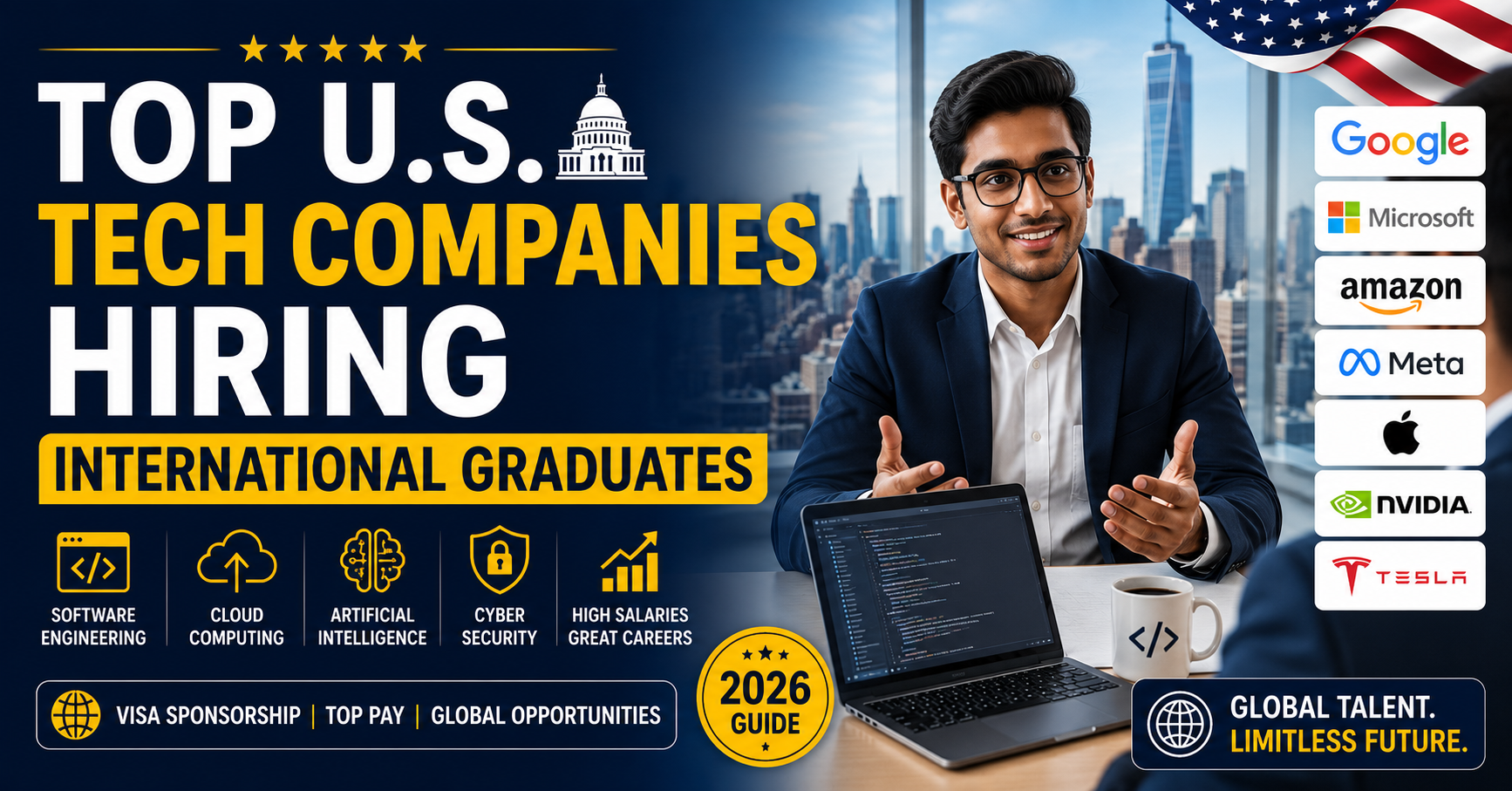
The United States continues to be one of the world’s leading destinations for technology professionals. From artificial intelligence and cloud computing to cybersecurity, software engineering, and data science, U.S. companies are investing heavily in skilled talent to remain competitive in a rapidly evolving digital economy. As technology continues to reshape industries, employers are increasingly looking beyond domestic talent pools and hiring qualified international graduates who possess in-demand technical skills.
For many international students and recent graduates, landing a technology job in the United States represents more than just career advancement—it offers the opportunity to work on innovative projects, learn from global experts, earn competitive salaries, and gain valuable international experience. While obtaining employment as a foreign graduate involves navigating immigration requirements and employer sponsorship, thousands of professionals successfully make this transition every year.
Fortunately, many U.S. technology companies actively recruit international graduates through university partnerships, internship programs, graduate recruitment initiatives, and experienced hire pathways. Some employers are well known for sponsoring work visas for qualified candidates, particularly those with expertise in software development, artificial intelligence, cloud infrastructure, cybersecurity, machine learning, product management, and data analytics.
This guide explores the top U.S. companies hiring international technology graduates in 2026, expected salary ranges, available visa sponsorship opportunities, hiring requirements, and practical steps to improve your chances of securing employment.
Whether you are completing a bachelor’s degree, master’s program, or PhD, this guide will help you better understand today’s U.S. technology hiring landscape and prepare for a successful job search.
Why U.S. Companies Hire International Technology Graduates
The technology sector continues to experience strong demand for highly skilled professionals. While American universities produce thousands of graduates annually, employer demand often exceeds available domestic talent in specialized technical fields.
International graduates frequently possess:
- Strong programming expertise
- Advanced research experience
- Multilingual communication skills
- Global business perspectives
- Specialized STEM education
- Experience working with emerging technologies
Many employers value diverse teams because they encourage innovation, creative problem-solving, and better collaboration across global markets.
Technology companies also invest heavily in graduate training programs that help new hires transition into full-time engineering, research, and product development roles.
Understanding Visa Sponsorship for Technology Graduates
Before applying, it’s important to understand what “visa sponsorship” actually means.
Visa sponsorship generally refers to an employer supporting a qualified international candidate through the legal process required to obtain authorization to work in the United States.
Common employment pathways include:
H-1B Visa
The H-1B remains one of the most common employment visas for highly skilled professionals working in specialty occupations, including software engineering, computer science, information technology, and data analytics.
Many large technology companies regularly sponsor qualified candidates for H-1B visas, subject to applicable government regulations.
Optional Practical Training (OPT)
International students studying in the U.S. on eligible student visas may qualify for Optional Practical Training after graduation.
This allows graduates to gain professional work experience while employed in their field of study.
STEM OPT Extension
Graduates from eligible STEM programs may qualify for an extended period of work authorization, giving employers additional time before long-term sponsorship decisions become necessary.
Employment-Based Permanent Residency
Some employers later support eligible employees through employment-based permanent residency processes depending on business needs and applicable immigration requirements.
Policies and eligibility requirements may change over time, so applicants should always verify current immigration rules before making decisions.
What Technology Skills Are Most in Demand in 2026?
Companies continue investing in professionals with practical experience in modern technology stacks.
Highly sought-after skills include:
- Artificial Intelligence (AI)
- Machine Learning
- Cloud Computing
- Cybersecurity
- Software Engineering
- Full-Stack Development
- Mobile App Development
- DevOps Engineering
- Site Reliability Engineering
- Data Engineering
- Data Science
- Blockchain
- Cloud Security
- Product Management
- UX Engineering
- Automation
- Robotics
- Distributed Systems
- Generative AI
- Large Language Models (LLMs)
Graduates possessing strong portfolios, internships, research projects, or open-source contributions often enjoy stronger employment prospects.
Top U.S. Companies Hiring International Technology Graduates
1. Google
Google remains one of the world’s most desirable employers for software engineers, AI researchers, cybersecurity specialists, and product professionals.
The company hires graduates from universities around the world and offers opportunities across numerous technical disciplines.
Popular graduate roles include:
- Software Engineer
- AI Engineer
- Cloud Engineer
- Data Scientist
- Security Engineer
- Product Manager
- Site Reliability Engineer
Typical Salary Range
Approximate annual compensation:
- Entry-level Software Engineer: $130,000–$180,000
- AI Engineer: $150,000–$220,000
- Data Scientist: $140,000–$210,000
Compensation may include:
- Base salary
- Annual bonus
- Stock awards
- Retirement benefits
- Health insurance
- Professional development opportunities
Preferred Qualifications
Candidates often demonstrate:
- Strong coding ability
- Data structures knowledge
- Algorithms expertise
- Computer science fundamentals
- Leadership potential
- Internship experience
- Problem-solving skills
2. Microsoft
Microsoft continues expanding across cloud computing, artificial intelligence, cybersecurity, enterprise software, gaming, and productivity solutions.
International graduates frequently join Microsoft’s graduate hiring programs and engineering teams.
Common positions include:
- Software Engineer
- Azure Cloud Engineer
- AI Researcher
- Security Engineer
- Program Manager
- Product Manager
- Machine Learning Engineer
Salary Expectations
Approximate annual compensation:
- Software Engineer: $120,000–$175,000
- Cloud Engineer: $135,000–$190,000
- AI Engineer: $145,000–$215,000
Microsoft also offers:
- Health benefits
- Paid vacation
- Learning programs
- Stock purchase plans
- Flexible work options
3. Amazon
Amazon continues hiring thousands of technology professionals across its retail, logistics, cloud computing, AI, robotics, and digital services divisions.
Amazon Web Services (AWS) remains one of the company’s largest employers of technical talent.
Technology roles include:
- Software Development Engineer
- Cloud Support Engineer
- DevOps Engineer
- Data Engineer
- Machine Learning Scientist
- Security Engineer
Salary Range
Approximate compensation:
- Software Engineer: $125,000–$185,000
- Cloud Engineer: $130,000–$200,000
- Machine Learning Engineer: $150,000–$220,000
Amazon values candidates who can solve complex technical problems while working effectively in fast-paced environments.
4. Apple
Apple continues investing heavily in artificial intelligence, silicon engineering, software development, augmented reality, hardware innovation, and cloud services.
International graduates contribute across multiple engineering teams.
Popular opportunities include:
- iOS Developer
- Software Engineer
- Machine Learning Engineer
- Hardware Engineer
- Security Engineer
- Cloud Infrastructure Engineer
Salary Expectations
Approximate annual salaries:
- Software Engineer: $140,000–$200,000
- Machine Learning Engineer: $155,000–$230,000
- Hardware Engineer: $145,000–$215,000
Apple often looks for candidates with strong technical foundations, collaborative skills, and a passion for innovation.
5. NVIDIA
NVIDIA has become one of the fastest-growing technology companies due to increasing demand for artificial intelligence, GPUs, autonomous vehicles, robotics, and high-performance computing.
Technology graduates specializing in AI and machine learning are especially sought after.
Popular graduate roles include:
- AI Research Engineer
- GPU Software Engineer
- Systems Engineer
- Machine Learning Engineer
- Deep Learning Engineer
- Robotics Engineer
Estimated Salaries
Typical annual compensation includes:
- AI Engineer: $160,000–$240,000
- Software Engineer: $145,000–$215,000
- Research Scientist: $170,000–$260,000
Candidates with experience in Python, CUDA, TensorFlow, PyTorch, C++, and distributed computing are often highly competitive.
What These Companies Look for in International Graduates
While each employer has its own hiring process, many evaluate applicants based on a combination of technical expertise, practical experience, and interpersonal skills rather than academic performance alone.
Some of the qualities recruiters commonly value include:
- Strong programming skills in languages such as Python, Java, C++, JavaScript, or Go.
- A solid understanding of algorithms, data structures, databases, and software engineering principles.
- Hands-on experience through internships, research projects, freelance work, or open-source contributions.
- Effective communication and collaboration skills, especially when working with cross-functional or globally distributed teams.
- A willingness to learn and adapt to new technologies in a fast-changing industry.
- Evidence of problem-solving ability demonstrated through technical projects, coding competitions, or portfolio work.
Building a GitHub portfolio, participating in hackathons, contributing to open-source software, and completing relevant certifications can significantly strengthen your application and help distinguish you from other candidates.
More Leading U.S. Companies Hiring International Technology Graduates
Beyond the globally recognized technology giants, many established corporations and fast-growing innovators actively recruit international graduates with expertise in software engineering, artificial intelligence, cloud computing, cybersecurity, and data analytics. These organizations often offer structured graduate programs, internships, mentorship opportunities, and competitive compensation packages.
6. Meta
Meta continues to invest heavily in artificial intelligence, virtual reality, augmented reality, social technologies, and large-scale infrastructure. The company hires graduates from leading universities worldwide and values candidates with strong technical foundations and innovative thinking.
Popular Roles
- Software Engineer
- Machine Learning Engineer
- Data Scientist
- Research Scientist
- Security Engineer
- Product Manager
- Infrastructure Engineer
Estimated Annual Salary
- Software Engineer: $145,000–$210,000
- Machine Learning Engineer: $165,000–$240,000
- Data Scientist: $150,000–$220,000
Preferred Skills
- Python
- C++
- Java
- SQL
- Distributed Systems
- Artificial Intelligence
- Machine Learning
- Backend Development
7. Intel
Intel remains a major employer for graduates interested in semiconductor technology, embedded systems, cloud computing, hardware engineering, and artificial intelligence.
Graduates with backgrounds in computer engineering, electrical engineering, and computer science often find opportunities across Intel’s global engineering teams.
Common Positions
- Software Engineer
- Hardware Validation Engineer
- AI Software Engineer
- Firmware Engineer
- Cloud Software Developer
Estimated Salary
- Software Engineer: $115,000–$170,000
- AI Engineer: $135,000–$195,000
- Hardware Engineer: $120,000–$185,000
8. Oracle
Oracle continues expanding its cloud infrastructure, enterprise software, database technologies, and AI-powered business solutions.
International graduates are recruited into both graduate development programs and experienced technical positions.
Hiring Roles
- Java Developer
- Cloud Engineer
- Database Engineer
- DevOps Engineer
- Software Developer
- Product Development Engineer
Salary Range
- Software Engineer: $115,000–$175,000
- Cloud Engineer: $130,000–$190,000
- Database Engineer: $125,000–$185,000
9. IBM
IBM remains one of the world’s leading technology employers, offering careers in artificial intelligence, hybrid cloud, cybersecurity, consulting, quantum computing, and enterprise software.
International graduates frequently apply for IBM’s early-career hiring initiatives.
Typical Positions
- AI Engineer
- Software Developer
- Cybersecurity Analyst
- Cloud Engineer
- Data Scientist
- Technology Consultant
Average Salary
- Software Engineer: $110,000–$170,000
- Data Scientist: $125,000–$185,000
- AI Engineer: $135,000–$200,000
10. Salesforce
Salesforce is a leader in cloud-based customer relationship management (CRM) platforms and continues expanding its AI and automation capabilities.
Graduates interested in cloud technologies and enterprise software often find attractive opportunities here.
Available Roles
- Software Engineer
- Cloud Platform Engineer
- AI Engineer
- Technical Consultant
- Solutions Engineer
Salary Expectations
- Software Engineer: $125,000–$190,000
- Cloud Engineer: $130,000–$195,000
- Solutions Engineer: $120,000–$180,000
11. Cisco
Cisco continues hiring graduates in networking, cybersecurity, cloud infrastructure, software engineering, and automation.
The company is known for investing in employee development through mentorship, certification support, and leadership programs.
Graduate Opportunities
- Network Engineer
- Cybersecurity Engineer
- Software Engineer
- DevNet Engineer
- Cloud Engineer
Estimated Salary
- Software Engineer: $115,000–$175,000
- Security Engineer: $125,000–$185,000
- Network Engineer: $110,000–$165,000
12. Adobe
Adobe develops industry-leading software for creative professionals, digital marketing, document management, and AI-powered productivity tools.
Technology graduates contribute to software development, cloud infrastructure, and machine learning initiatives.
Hiring Roles
- Software Engineer
- AI Engineer
- Data Engineer
- Cloud Engineer
- Product Engineer
Estimated Compensation
- Software Engineer: $130,000–$195,000
- Machine Learning Engineer: $150,000–$220,000
Average Technology Salaries in the United States (2026)
While compensation varies by company, location, experience, and role, technology careers continue to offer some of the highest entry-level salaries in the U.S. market.
| Position | Typical Annual Salary |
|---|---|
| Software Engineer | $120,000–$180,000 |
| Full-Stack Developer | $110,000–$170,000 |
| Data Scientist | $130,000–$200,000 |
| AI Engineer | $150,000–$230,000 |
| Cloud Engineer | $130,000–$200,000 |
| Cybersecurity Engineer | $125,000–$190,000 |
| DevOps Engineer | $130,000–$195,000 |
| Machine Learning Engineer | $150,000–$235,000 |
| Site Reliability Engineer | $140,000–$210,000 |
| Product Manager | $140,000–$220,000 |
In addition to base salaries, many employers offer comprehensive benefits such as annual bonuses, stock options or restricted stock units (RSUs), retirement savings plans, health insurance, paid leave, wellness programs, and professional development budgets.
The Most In-Demand Technical Skills in 2026
Employers increasingly seek candidates who combine strong theoretical knowledge with practical, hands-on experience. Building expertise in the following areas can significantly improve your competitiveness:
Programming Languages
- Python
- Java
- JavaScript
- TypeScript
- C++
- Go
- C#
- Rust
- SQL
Cloud Platforms
- Amazon Web Services (AWS)
- Microsoft Azure
- Google Cloud Platform (GCP)
Artificial Intelligence and Machine Learning
- TensorFlow
- PyTorch
- Large Language Models (LLMs)
- Prompt Engineering
- Natural Language Processing
- Computer Vision
Cybersecurity
- Cloud Security
- Network Security
- Identity and Access Management (IAM)
- Security Operations
- Ethical Hacking
- Security Automation
Data Technologies
- Apache Spark
- Hadoop
- Kafka
- Snowflake
- Databricks
- SQL Databases
- NoSQL Databases
DevOps
- Docker
- Kubernetes
- Jenkins
- GitHub Actions
- Terraform
- CI/CD Pipelines
Certifications That Can Strengthen Your Application
Although certifications are not always required, they can demonstrate initiative and validate technical skills, particularly for recent graduates.
Popular certifications include:
- AWS Certified Solutions Architect – Associate
- Microsoft Certified: Azure Administrator Associate
- Google Associate Cloud Engineer
- CompTIA Security+
- Certified Kubernetes Application Developer (CKAD)
- HashiCorp Terraform Associate
- Oracle Java Certification
- Cisco Certified Network Associate (CCNA)
Certifications are most effective when combined with practical experience, such as internships, capstone projects, or open-source contributions.
Where to Find Visa Sponsorship Opportunities
A focused job search can save time and help you identify employers that have experience hiring international candidates. Consider these strategies:
1. Company Career Pages
Many large technology companies list graduate roles and internship opportunities on their official careers websites. Review job descriptions carefully for eligibility requirements and application instructions.
2. University Career Services
If you are currently enrolled in a university, make use of career fairs, employer information sessions, alumni networks, and campus recruiting events. Many employers specifically target international students through university partnerships.
3. Professional Networking
Maintain an up-to-date LinkedIn profile, connect with recruiters, join technology communities, and participate in virtual or in-person networking events. Meaningful professional relationships can help you learn about new opportunities and hiring trends.
4. Industry Conferences and Hackathons
Participating in coding competitions, hackathons, and technology conferences allows you to showcase your skills, collaborate with peers, and meet recruiters from leading organizations.
5. Open-Source Contributions
Active contributions to well-maintained open-source projects demonstrate technical ability, teamwork, and a commitment to continuous learning. Recruiters often view a strong GitHub portfolio as evidence of practical experience.
How to Make Your Application Stand Out
Competition for technology roles is strong, but a thoughtful application can make a significant difference.
Consider these best practices:
- Tailor your résumé to each position by highlighting relevant technical skills and measurable achievements.
- Include internships, research experience, freelance work, or personal projects that demonstrate practical expertise.
- Build an online portfolio showcasing software projects, case studies, or technical documentation.
- Keep your LinkedIn profile current and aligned with your résumé.
- Practice coding interviews using common algorithm and system design questions.
- Prepare clear examples that demonstrate teamwork, leadership, problem-solving, and adaptability.
Employers are often interested not only in what you know, but also in how you communicate your ideas and approach complex challenges.
Step-by-Step Guide to Applying for U.S. Technology Jobs
Securing a technology role with a U.S. employer requires preparation, persistence, and a well-organized job search. While each company’s recruitment process differs, the following steps can help you present yourself as a strong candidate.
Step 1: Research Employers Carefully
Begin by identifying companies that hire graduates with your technical background and offer roles aligned with your skills and career goals. Review job descriptions carefully to understand the required programming languages, frameworks, certifications, and experience.
Instead of applying to hundreds of positions with the same résumé, focus on employers where your qualifications are a strong match.
Step 2: Build a Strong Technical Résumé
A technology résumé should be concise, easy to read, and tailored to the specific position.
Include:
- Professional summary
- Technical skills
- Programming languages
- Frameworks and tools
- Education
- Relevant coursework (if applicable)
- Internship experience
- Research projects
- Open-source contributions
- Certifications
- Awards and achievements
Where possible, quantify your accomplishments. For example:
- Improved application performance by 35%.
- Developed a web application used by 2,000+ users.
- Automated deployment processes, reducing release time by 40%.
These measurable outcomes help employers understand the impact of your work.
Step 3: Create a Professional Portfolio
Many recruiters review candidates’ work before scheduling interviews.
Consider including:
- GitHub repositories
- Personal website
- Technical blog articles
- Mobile applications
- Machine learning projects
- Cloud deployments
- Data dashboards
- API development projects
A portfolio demonstrates initiative and provides evidence of your practical skills beyond academic achievements.
Step 4: Prepare for Technical Interviews
Technical interviews often evaluate both problem-solving ability and communication skills.
You may encounter:
- Coding exercises
- Algorithm questions
- Data structure challenges
- System design discussions
- Behavioral interviews
- Technical case studies
Practice explaining your thought process clearly, even if you do not arrive at the optimal solution immediately. Employers frequently assess how candidates approach complex problems rather than focusing solely on the final answer.
Step 5: Strengthen Your Professional Network
Networking remains one of the most effective ways to discover job opportunities.
Useful strategies include:
- Connecting with recruiters on LinkedIn.
- Participating in technology meetups.
- Attending university career fairs.
- Joining developer communities.
- Engaging in hackathons.
- Contributing to open-source projects.
- Building relationships with alumni working in your target companies.
Professional connections can provide valuable insights into company culture, hiring processes, and upcoming opportunities.
Common Reasons Applications Are Rejected
Many qualified graduates receive rejections for avoidable reasons. Being aware of these pitfalls can improve your chances of success.
Common issues include:
- Submitting the same résumé for every application.
- Applying for roles that do not align with your qualifications.
- Omitting important technical projects or internships.
- Including outdated or irrelevant information.
- Neglecting to proofread application materials.
- Failing to prepare for coding assessments or behavioral interviews.
- Ignoring application instructions or deadlines.
Taking time to tailor each application demonstrates professionalism and genuine interest in the role.
Tips for International Graduates
International applicants often face additional considerations during the hiring process. The following practices can help you navigate them effectively:
- Be transparent about your current work authorization status when appropriate.
- Understand the eligibility requirements for employment authorization and any future sponsorship pathways.
- Stay informed about changes to immigration policies by consulting official government resources.
- Apply early, as graduate recruitment cycles can begin several months before start dates.
- Continue developing technical skills through certifications, personal projects, and internships while searching for full-time opportunities.
Remember that hiring decisions are based on a combination of skills, experience, communication, and business needs. Visa sponsorship availability can vary by employer, role, and changing regulations.
Frequently Asked Questions (FAQs)
Can international graduates apply directly to U.S. technology companies?
Yes. Many U.S. technology companies accept applications from qualified international graduates. However, eligibility depends on the specific position, the employer’s hiring policies, and applicable immigration requirements.
Which technology fields have the strongest demand?
Demand remains strong in areas such as:
- Artificial Intelligence (AI)
- Machine Learning
- Cybersecurity
- Cloud Computing
- Software Engineering
- Data Science
- DevOps
- Site Reliability Engineering
- Cloud Security
- Data Engineering
Keeping your skills aligned with these high-demand fields can improve your competitiveness.
Is a master’s degree required?
Not necessarily. Many employers hire candidates with bachelor’s degrees, while others value demonstrated technical ability through internships, research, certifications, and practical projects. Advanced degrees may be beneficial for specialized research or AI-focused roles but are not universally required.
Do all technology companies sponsor work visas?
No. Sponsorship policies vary by employer, job function, hiring needs, and government regulations. Before applying, review the job description and the employer’s careers page for the most current information regarding work authorization requirements.
How long does the hiring process usually take?
Recruitment timelines differ by company but often include:
- Online application
- Recruiter screening
- Technical assessments
- One or more interview rounds
- Reference or background checks (where applicable)
- Offer decision
The overall process can take anywhere from a few weeks to several months.
Final Thoughts
The U.S. technology industry continues to offer exciting career opportunities for talented graduates from around the world. Organizations ranging from established global companies to innovative startups seek individuals who can solve complex problems, build scalable software, analyze data, and contribute to cutting-edge technologies.
Success in this competitive market depends on more than technical knowledge alone. A tailored résumé, strong portfolio, practical experience, interview preparation, and continuous learning can significantly improve your chances of standing out.
While visa sponsorship opportunities exist, they vary by employer and are subject to changing laws and business needs. Always verify the latest requirements through official company career pages and government immigration resources before making career decisions.
With persistence, preparation, and a commitment to professional growth, international technology graduates can position themselves for rewarding careers in one of the world’s most dynamic technology ecosystems.
Conclusion
Technology continues to shape the future of business, healthcare, education, finance, manufacturing, and countless other industries. As demand for skilled professionals grows, many U.S. employers remain interested in attracting qualified talent from around the globe.
Whether your expertise lies in software engineering, cloud computing, artificial intelligence, cybersecurity, or data science, investing in the right technical skills, building a compelling portfolio, and approaching your job search strategically can open doors to valuable career opportunities.
Rather than focusing solely on salary, consider factors such as learning opportunities, mentorship, career progression, company culture, and long-term professional development when evaluating potential employers.
A well-planned job search, combined with continuous skill development and realistic expectations, will put you in a stronger position to pursue technology careers in the United States.

Leave a Reply