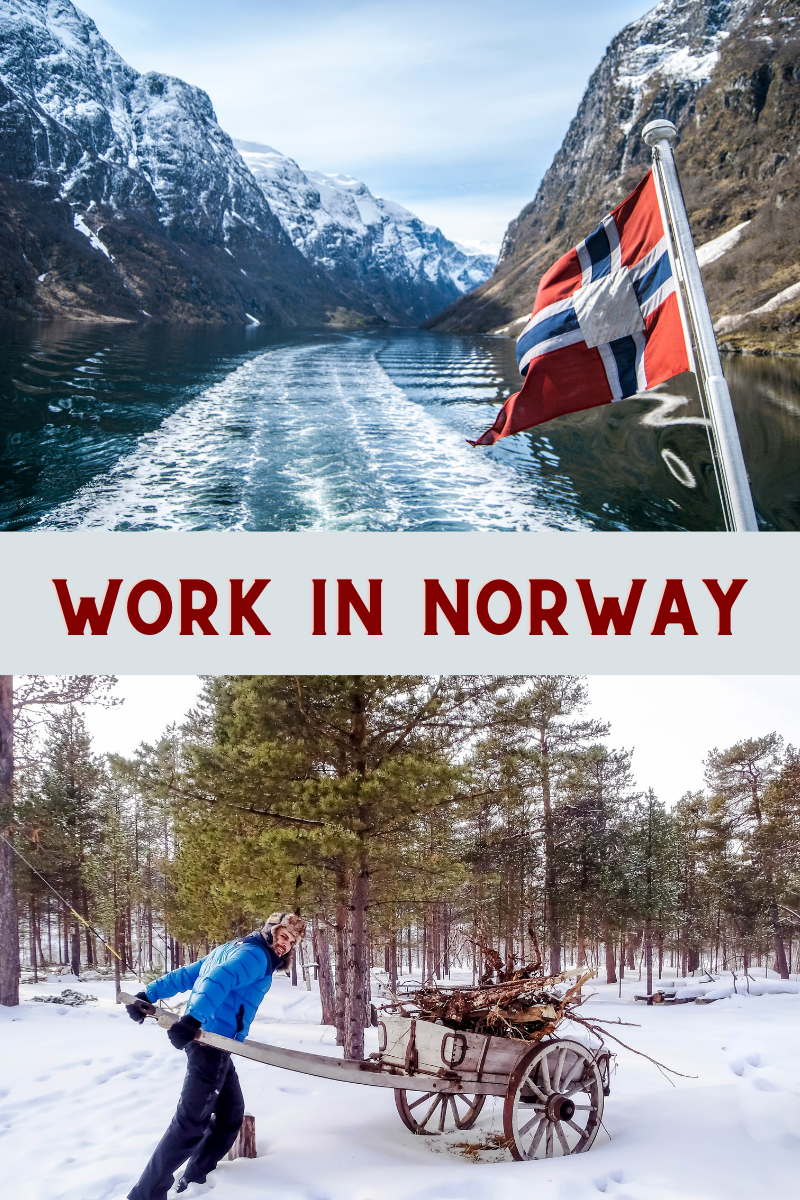
Norway has continued to attract skilled professionals from around the world thanks to its strong economy, excellent quality of life, high salaries, and growing demand for international talent. For many foreign workers, the Norway Job Seeker Visa has become one of the most practical pathways to explore employment opportunities legally before securing a full work permit.
As 2026 approaches, more applicants are searching for updated information about Norway’s job seeker visa eligibility requirements, application fees, financial proof rules, and processing timelines. Whether you are a recent graduate, a skilled worker, or someone looking to relocate for better career opportunities, understanding how the Norwegian immigration system works can significantly improve your chances of approval.
This guide explains everything you need to know about the 2026 Norway Job Seeker Visa, including who qualifies, required documents, application costs, common mistakes to avoid, and how to transition from a job seeker permit to a Norwegian work residence permit.
What Is the Norway Job Seeker Visa?
The Norway Job Seeker Visa is a temporary residence permit that allows qualified foreign nationals to stay in Norway while searching for employment opportunities. Unlike a standard tourist visa, this permit gives applicants legal permission to remain in the country for a specific period while attending interviews, networking with employers, and applying for jobs.
The visa is especially popular among:
- Skilled professionals
- University graduates
- IT specialists
- Engineers
- Healthcare workers
- Researchers
- Technical professionals
Norway introduced this pathway to attract international talent in industries facing labour shortages. Once a successful applicant secures a qualifying job offer, they may become eligible to convert their status into a skilled worker residence permit.
Why Norway Is Attracting Global Workers in 2026
Norway remains one of Europe’s most attractive destinations for foreign workers due to several economic and social advantages.
High Salaries and Strong Worker Protections
Norwegian employees generally benefit from competitive salaries, regulated working hours, generous paid leave, and strong labour protections. Professionals in sectors such as engineering, healthcare, oil and gas, renewable energy, and information technology often earn salaries significantly higher than the European average.
Growing Demand for Skilled Workers
Many Norwegian industries are experiencing workforce shortages, particularly in:
- Healthcare
- Construction
- Information technology
- Maritime industries
- Green energy
- Engineering
- Skilled trades
This demand has encouraged employers to recruit qualified international candidates.
Excellent Quality of Life
Norway consistently ranks highly in global quality-of-life indexes because of:
- Universal healthcare
- Strong public infrastructure
- Low crime rates
- Clean environment
- High educational standards
- Work-life balance
These factors make Norway appealing for individuals seeking long-term career stability and family-friendly living conditions.
Types of Norway Job Seeker Permits
The Norwegian immigration system offers different categories depending on the applicant’s background.
1. Job Seeker Permit for Skilled Workers
This category is designed for individuals with professional qualifications or vocational training who intend to search for employment in Norway.
Applicants usually need:
- Recognised educational qualifications
- Proof of professional experience
- Sufficient financial support
- Valid travel documents
2. Job Seeker Permit for Recent Graduates
International students who complete eligible studies in Norway may qualify for a residence permit extension to search for work after graduation.
This option allows graduates to remain in Norway legally while seeking employment related to their academic field.
3. Job Seeker Permit for Researchers and Specialists
Researchers and highly specialised professionals may qualify under separate pathways depending on their expertise and employer sponsorship opportunities.
Norway Job Seeker Visa Eligibility Requirements in 2026
Eligibility rules are expected to remain strict in 2026, especially regarding financial stability and professional qualifications.
Below are the major requirements applicants should prepare for.
1. Educational Qualifications
Applicants generally need recognised educational credentials that match Norwegian labour market needs.
Accepted qualifications may include:
- University degrees
- Professional diplomas
- Vocational certifications
- Technical training certificates
In many cases, foreign qualifications may need assessment or recognition by Norwegian authorities.
Preferred Fields
Norway often prioritises applicants with expertise in:
- Nursing
- Software engineering
- Data science
- Mechanical engineering
- Electrical engineering
- Construction management
- Renewable energy
- Maritime technology
2. Proof of Financial Support
One of the most important requirements is demonstrating sufficient funds to support yourself while searching for work.
Applicants typically need to show:
- Bank statements
- Savings records
- Financial sponsorship documents
Norwegian authorities want assurance that applicants can cover living expenses without relying on public assistance.
Estimated Financial Requirement for 2026
While exact figures may change, applicants should prepare for proof of funds ranging between NOK 137,000 and NOK 150,000 or more depending on permit duration and updated immigration regulations.
Applicants should verify the latest figures before submitting an application.
3. Valid Passport
Your passport must remain valid throughout your intended stay in Norway.
Many applicants are rejected because of:
- Damaged passports
- Insufficient validity period
- Missing passport pages
Ensure your travel document meets all requirements before applying.
4. Health Insurance Coverage
Applicants may need comprehensive medical insurance covering their stay in Norway until they become eligible for Norwegian healthcare benefits.
Insurance should typically include:
- Emergency treatment
- Hospitalisation
- Medical evacuation
- General healthcare coverage
5. Accommodation Information
Applicants may be required to provide details of where they intend to stay during their initial period in Norway.
Acceptable documents can include:
- Hotel reservations
- Rental agreements
- Invitation letters
- Temporary housing confirmation
6. Clean Immigration and Criminal Record
Norwegian authorities may deny applications from individuals with:
- Serious criminal histories
- Previous immigration violations
- Fraudulent documentation
- Visa overstays in Schengen countries
Honesty and accurate documentation are essential during the application process.
Norway Job Seeker Visa Application Fees in 2026
Application fees are an important consideration for prospective applicants.
Although exact amounts can change yearly, the estimated Norway Job Seeker Visa fees for 2026 are expected to include the following:
| Application Item | Estimated Cost |
|---|---|
| Residence Permit Application Fee | NOK 6,300 – NOK 7,500 |
| Biometrics Appointment | May vary |
| Document Translation | Variable |
| Courier Services | Variable |
| Health Insurance | Depends on provider |
| Proof of Funds Requirement | NOK 137,000+ |
Applicants should also budget for:
- Flight costs
- Initial accommodation
- Daily living expenses
- Local transportation
- Emergency savings
Step-by-Step Guide to Applying for the Norway Job Seeker Visa
Understanding the process can help reduce delays and avoid unnecessary mistakes.
Step 1: Gather Required Documents
Typical documents include:
- Completed application form
- Valid passport
- Passport photographs
- Educational certificates
- CV or resume
- Proof of accommodation
- Financial proof
- Health insurance documents
Ensure all documents are accurate and professionally translated if required.
Step 2: Create an Online Application
Applicants generally submit applications through Norway’s immigration portal before attending a physical appointment.
Double-check all uploaded information carefully.
Step 3: Pay the Application Fee
Application fees are usually paid online during the submission process.
Keep all payment receipts for future reference.
Step 4: Book a Biometrics Appointment
Applicants may need to visit:
- Norwegian embassies
- Visa application centres
- Consulates
During this stage, fingerprints and photographs are typically collected.
Step 5: Wait for Processing
Processing times vary depending on:
- Country of application
- Seasonal demand
- Document completeness
- Immigration workload
Applicants should prepare for waiting periods ranging from several weeks to several months.
Can You Work on a Norway Job Seeker Visa?
The primary purpose of the permit is job searching rather than unrestricted employment.
In many situations, applicants may not begin full employment until they obtain the appropriate work residence permit.
However, regulations can vary depending on permit type and immigration updates. Applicants should always confirm employment permissions before accepting work.
How to Convert a Job Seeker Visa Into a Work Permit
Once you secure a qualifying job offer, you may apply for a skilled worker residence permit.
The employer usually needs to provide:
- Formal employment contract
- Salary details
- Position description
- Proof that the role meets immigration requirements
Approval often depends on whether:
- Your qualifications match the position
- Salary levels meet Norwegian standards
- The job is genuine and legally compliant
Most In-Demand Jobs in Norway for Foreign Workers in 2026
Several industries are expected to continue recruiting international talent.
Healthcare
Healthcare remains one of Norway’s largest labour shortage sectors.
Popular roles include:
- Nurses
- Care assistants
- Medical specialists
- Physiotherapists
Information Technology
Norway’s technology sector continues expanding rapidly.
High-demand positions include:
- Software developers
- Cybersecurity specialists
- Data analysts
- Cloud engineers
Engineering
Engineering professionals remain highly valued across industries such as:
- Construction
- Renewable energy
- Oil and gas
- Infrastructure
Skilled Trades
Trade professionals are also in demand, including:
- Electricians
- Welders
- Carpenters
- Plumbers
Common Reasons Norway Job Seeker Visa Applications Get Rejected
Understanding common mistakes can improve approval chances.
Insufficient Financial Proof
Many applicants underestimate Norway’s cost-of-living expectations.
Authorities require clear evidence of financial stability.
Incomplete Documentation
Missing certificates, unsigned forms, or inaccurate translations can delay or destroy applications.
Weak Professional Qualifications
Applicants whose backgrounds do not align with labour market needs may face rejection.
Immigration Concerns
Previous Schengen visa overstays or false information can lead to denial.
Tips to Improve Your Approval Chances
Prepare Strong Financial Documentation
Maintain consistent bank balances and avoid suspicious transactions before applying.
Tailor Your Resume for Norway
Norwegian employers value concise, professional CVs highlighting practical skills and experience.
Research the Labour Market
Focus on industries actively recruiting international workers.
Apply Early
Application processing times can increase during busy immigration seasons.
Cost of Living in Norway for Job Seekers
Norway is known for its high living costs, especially in major cities like Oslo and Bergen.
Estimated monthly expenses may include:
| Expense | Estimated Monthly Cost |
|---|---|
| Accommodation | NOK 7,000 – NOK 15,000 |
| Food | NOK 3,000 – NOK 5,000 |
| Transportation | NOK 800 – NOK 1,500 |
| Utilities | NOK 1,000 – NOK 2,000 |
| Miscellaneous | NOK 2,000+ |
Applicants should prepare adequate savings before relocating.
Best Cities in Norway for Foreign Workers
Oslo
Norway’s capital offers the largest job market and opportunities in finance, IT, healthcare, and engineering.
Bergen
Known for maritime industries, tourism, and energy-related jobs.
Stavanger
A major centre for oil, gas, and renewable energy industries.
Trondheim
Popular for technology, education, and research opportunities.
Is Norway a Good Destination for Nigerians and International Applicants?
For many applicants from Nigeria and other countries, Norway can offer:
- Better earning potential
- Career advancement opportunities
- Safe living conditions
- International work experience
- Long-term residency pathways
However, applicants should also consider:
- High living costs
- Competitive job market
- Strict immigration requirements
- Climate adjustment challenges
Proper planning significantly increases the chances of a successful relocation experience.
Norway Job Seeker Visa vs Skilled Worker Visa
Many applicants confuse these two immigration pathways.
| Job Seeker Visa | Skilled Worker Visa |
|---|---|
| Allows job searching | Requires confirmed job offer |
| Temporary stay | Employment-based residence |
| Limited employment rights | Full authorised work rights |
| Requires self-funded support | Employer-backed employment |
Understanding the difference helps applicants choose the right immigration strategy.
Important Things to Know Before Moving to Norway
Before relocating, applicants should research:
- Norwegian work culture
- Tax obligations
- Housing availability
- Public transportation systems
- Banking requirements
- Language expectations
Although many Norwegians speak English fluently, learning basic Norwegian can improve employment prospects.
Final Thoughts
The 2026 Norway Job Seeker Visa remains an attractive pathway for skilled professionals looking to build careers in one of Europe’s most stable and prosperous countries. While the application process can appear demanding, careful preparation, accurate documentation, and realistic financial planning can greatly improve your chances of success.
Norway continues to seek qualified international talent in sectors experiencing labour shortages, particularly healthcare, engineering, information technology, and skilled trades. For applicants willing to prepare thoroughly and adapt to Norwegian work culture, the opportunities can be significant.
Before applying, always verify the latest immigration updates, fee changes, and eligibility requirements through official Norwegian immigration channels. Immigration policies can change, and staying informed helps prevent costly mistakes.
With the right qualifications, financial preparation, and job search strategy, the Norway Job Seeker Visa could become your first step toward long-term employment and residency opportunities in Norway.

Leave a Reply