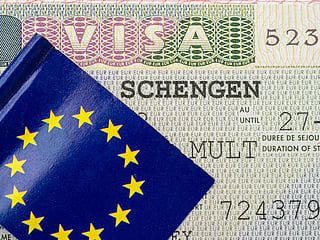
Traveling across Europe is a dream for millions of people worldwide, and the Schengen Visa is often the key that unlocks that experience. Whether you plan to visit France, Germany, Italy, Spain, the Netherlands, or several European countries in one trip, understanding how the Schengen Visa process works can significantly improve your chances of approval.
Many applicants face delays or rejections because of incomplete documents, inaccurate information, or poor planning. The good news is that the process becomes much easier when you follow a clear roadmap.
This detailed guide explains everything you need to know about getting a Schengen Visa in 2026, including eligibility requirements, required documents, application procedures, interview tips, fees, processing timelines, and common mistakes to avoid.
What Is a Schengen Visa?
A Schengen Visa is a short-stay visa that allows non-European Union citizens to travel freely within the Schengen Area for up to 90 days within a 180-day period.
The Schengen Zone currently includes most European countries, such as:
- France
- Germany
- Italy
- Spain
- Netherlands
- Belgium
- Switzerland
- Greece
- Portugal
- Austria
- Sweden
- Denmark
- Norway
- Poland
With one visa, travelers can move between participating countries without going through border controls.
This visa is commonly issued for:
- Tourism
- Family visits
- Business meetings
- Conferences
- Medical treatment
- Short educational programs
- Cultural or sporting events
Who Needs a Schengen Visa?
Citizens of many non-EU countries must obtain a Schengen Visa before entering Europe. Applicants from countries like Nigeria, Ghana, India, Pakistan, South Africa, and several others typically require a visa for short-term visits.
However, visa rules vary depending on nationality and passport type. Some travelers may qualify for visa-free access.
Before applying, always verify the latest entry requirements through the embassy or consulate of your destination country.
Types of Schengen Visas
Understanding the different visa categories helps you choose the correct application route.
1. Tourist Visa
This is the most common Schengen Visa type. It is issued for vacations, sightseeing, and leisure travel.
2. Business Visa
Issued to individuals traveling for professional meetings, conferences, trade fairs, or commercial activities.
3. Family Visit Visa
Designed for applicants visiting relatives or friends residing in Schengen countries.
4. Medical Visa
Issued for short-term medical treatment in approved European healthcare institutions.
5. Student or Training Visa
For short courses, workshops, internships, or academic programs lasting under 90 days.
Benefits of Having a Schengen Visa
A Schengen Visa offers several advantages for international travelers.
Access to Multiple Countries
One visa grants entry to several European destinations without requiring separate visas.
Simplified Travel Experience
You can move across borders within the Schengen Zone without repeated immigration checks.
Improved Travel Credibility
A properly used Schengen Visa can strengthen future visa applications for countries like the United States, Canada, and the United Kingdom.
Tourism and Business Opportunities
The visa supports tourism, networking, business expansion, and international exposure.
Step-by-Step Schengen Visa Application Roadmap
Step 1: Determine Your Main Destination
You must apply through the embassy or visa center of the country where:
- You will spend the most time, or
- Your trip begins if time spent is equal across countries
For example:
- If you spend 10 days in France and 5 days in Italy, apply through France.
- If you spend equal days in Germany and Spain but land first in Germany, apply through Germany.
Submitting your application to the wrong embassy may lead to rejection.
Step 2: Identify the Correct Visa Type
Carefully choose the visa category that matches your travel purpose.
Applying under the wrong category can create complications during document verification or interviews.
For example:
- Vacation travel → Tourist Visa
- Corporate meeting → Business Visa
- Visiting relatives → Family Visit Visa
Always ensure your supporting documents match your stated travel purpose.
Step 3: Complete the Visa Application Form
Most Schengen countries provide online or downloadable visa forms through their embassy websites or official visa processing partners.
The application form usually requests:
- Full name
- Passport information
- Travel history
- Employment details
- Accommodation information
- Purpose of travel
- Financial details
Accuracy matters. Small inconsistencies can raise concerns during processing.
Important Tips
- Use information exactly as shown in your passport
- Avoid spelling mistakes
- Do not leave mandatory sections blank
- Double-check dates before submission
Step 4: Gather Required Documents
Document preparation is one of the most important stages of the application process.
Although requirements vary slightly by country, most applicants must provide the following:
Valid International Passport
Your passport should:
- Be valid for at least three months after your return date
- Have at least two blank pages
- Be issued within the last 10 years
Passport Photographs
Most embassies require recent biometric photos that meet Schengen specifications.
Travel Itinerary
Include:
- Flight reservations
- Travel plans
- Intended dates of entry and exit
Proof of Accommodation
Examples include:
- Hotel reservations
- Airbnb bookings
- Invitation letter from host
Travel Insurance
You must provide medical travel insurance with minimum coverage of €30,000 valid across the Schengen Area.
Proof of Financial Means
Embassies want evidence that you can support yourself during your stay.
Accepted documents may include:
- Bank statements
- Pay slips
- Tax records
- Sponsorship letters
Employment or Business Documents
Employees may submit:
- Employment letter
- Leave approval letter
- Salary slips
Business owners may provide:
- Business registration documents
- Tax certificates
- Company bank statements
Cover Letter
A strong cover letter explains:
- Why you are traveling
- Who will fund the trip
- Your travel schedule
- Why you intend to return home after your visit
A well-written cover letter can positively influence your application.
Step 5: Book a Visa Appointment
After preparing your documents, schedule an appointment with:
- The embassy
- The consulate, or
- An authorized visa application center
Appointment slots can fill quickly during busy travel seasons, especially summer and holidays.
Booking early helps avoid unnecessary delays.
Step 6: Attend Your Biometrics Appointment
Most applicants must provide biometric data, including:
- Fingerprints
- Digital photograph
At the appointment center, officials will review your documents and collect your biometrics.
Tips for the Appointment
- Arrive early
- Dress neatly
- Organize documents properly
- Answer questions honestly and confidently
Step 7: Pay the Visa Fee
Schengen Visa fees vary depending on age and visa category.
Additional service charges may apply when using external visa centers.
Payment methods differ by country, so verify acceptable options before your appointment.
Step 8: Attend the Visa Interview (If Required)
Not every applicant will face an interview, but some embassies request additional questioning.
Common interview questions include:
- Why are you visiting Europe?
- Who is funding your trip?
- What do you do for work?
- Do you have relatives abroad?
- When do you plan to return?
How to Succeed in the Interview
- Stay calm and professional
- Provide direct answers
- Avoid memorized responses
- Ensure your answers match your documents
Consistency is critical.
Step 9: Track Your Application
After submission, many embassies allow applicants to track their visa status online.
Processing times typically range from 15 to 45 days, depending on:
- Embassy workload
- Travel season
- Security checks
- Application completeness
Some applications may take longer if additional verification is required.
Step 10: Receive Your Decision
Once approved, your visa sticker will be attached to your passport.
Check the visa carefully for:
- Correct name spelling
- Validity dates
- Number of entries allowed
If your application is denied, the embassy usually provides a reason for refusal.
Common Reasons for Schengen Visa Rejection
Many applications fail because of preventable mistakes.
Insufficient Financial Proof
Embassies may reject applications if bank balances appear too low or suspicious.
Incomplete Documentation
Missing paperwork can delay or negatively affect your application.
Weak Travel History
Applicants with limited international travel history sometimes face greater scrutiny.
Unclear Travel Purpose
Inconsistent explanations can create doubts about your intentions.
Lack of Ties to Home Country
Embassies want reassurance that applicants will return after their trip.
Strong ties may include:
- Employment
- Business ownership
- Family responsibilities
- Property ownership
How to Improve Your Chances of Approval
Apply Early
Submit your application well before your intended travel date.
Maintain Honest Documentation
Never submit fake bank statements, forged invitation letters, or false information.
Misrepresentation can lead to long-term visa bans.
Build a Strong Travel History
Previous lawful travel to countries with strict immigration systems can strengthen your profile.
Organize Your Documents Professionally
Well-arranged applications appear more credible and easier to assess.
Write a Clear Cover Letter
A concise, genuine explanation can make your application stronger.
Schengen Visa Processing Time in 2026
Although standard processing often takes about 15 working days, delays may occur during peak travel periods.
Factors affecting processing include:
- National holidays
- High application volumes
- Security checks
- Missing documents
- Embassy backlogs
Applying at least one to two months before travel is recommended.
Can You Extend a Schengen Visa?
Extensions are generally difficult to obtain unless exceptional circumstances exist, such as:
- Medical emergencies
- Humanitarian reasons
- Natural disasters
- Serious personal emergencies
Overstaying a Schengen Visa can result in:
- Fines
- Deportation
- Future visa bans
Always respect visa conditions and departure deadlines.
What Happens After Visa Approval?
After receiving your visa:
Verify All Information
Check:
- Passport number
- Entry validity
- Visa category
- Duration of stay
Carry Supporting Documents While Traveling
Immigration officers may still request:
- Hotel bookings
- Return ticket
- Travel insurance
- Proof of funds
Respect Immigration Rules
Avoid overstaying or violating visa conditions.
Best Countries for First-Time Schengen Visa Applicants
Approval rates can vary by country and embassy workload.
Some travelers believe certain countries may offer smoother processing experiences for first-time applicants, depending on documentation quality and travel profile.
Applicants often consider:
- Lithuania
- Estonia
- Finland
- Iceland
- Latvia
However, approval depends primarily on the strength of your application rather than the country alone.
Schengen Visa Tips for Nigerian Applicants
Applicants from Nigeria should pay special attention to financial documentation and proof of strong home ties.
Helpful strategies include:
- Maintaining consistent banking activity
- Providing genuine employment documents
- Demonstrating clear travel intent
- Avoiding last-minute applications
- Ensuring all records are authentic and verifiable
Strong preparation significantly improves approval chances.
Frequently Asked Questions
How much money do I need for a Schengen Visa?
The required amount varies by country and trip duration. Applicants should show sufficient funds to cover accommodation, transportation, feeding, and daily expenses.
Can I work with a Schengen Visa?
No. A standard Schengen Visa does not permit long-term employment.
Can I visit multiple countries?
Yes. A Schengen Visa allows travel across participating member states during the validity period.
Is travel insurance mandatory?
Yes. Approved medical travel insurance is compulsory for Schengen Visa applications.
Can a visa refusal affect future applications?
Yes. Previous refusals may influence future applications, especially if the underlying issues remain unresolved.
Final Thoughts
Getting a Schengen Visa may seem overwhelming at first, but the process becomes much more manageable when approached systematically. Careful planning, honest documentation, and attention to detail are essential for success.
The strongest applications are usually the ones that clearly demonstrate:
- Genuine travel intentions
- Financial stability
- Strong ties to the applicant’s home country
- Well-organized supporting documents
Whether you are traveling for tourism, business, education, or family visits, following a structured application roadmap can improve your confidence and increase your chances of approval.
With proper preparation, your European travel goals can move from planning stage to reality.

Leave a Reply