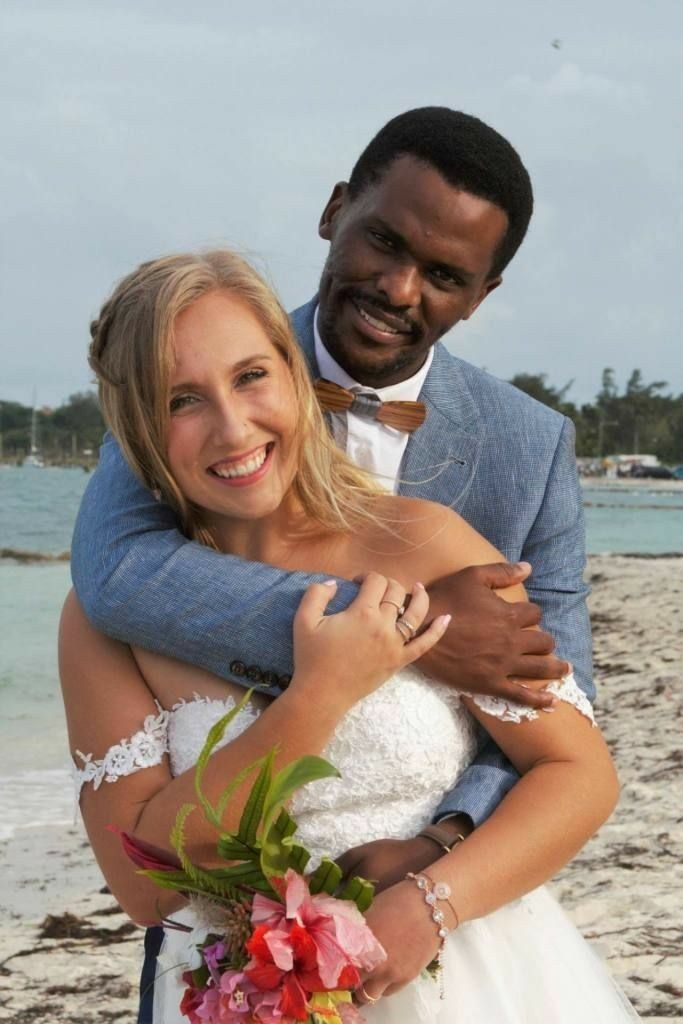
Canada remains one of the most popular destinations for family reunification, especially for couples hoping to build a life together through spousal sponsorship and marriage-based immigration pathways. However, receiving a refusal letter for a Canadian marriage visa can feel devastating. Many applicants invest significant emotional energy, time, and money into the process, only to discover that their application has been denied.
The good news is that a refusal does not always mean the end of the road. In many cases, couples successfully overturn denied applications through a well-prepared appeal, stronger documentation, and strategic legal guidance.
This comprehensive guide explains how to appeal a denied Canadian marriage visa, the most common reasons applications are refused, and the professional legal strategies that can improve your chances of success.
Understanding Canadian Marriage Visa Refusals
A Canadian marriage visa generally refers to a spouse or partner sponsorship application submitted through Immigration, Refugees and Citizenship Canada (IRCC). The purpose of the program is to allow Canadian citizens and permanent residents to sponsor their spouses or partners for permanent residence.
Despite the program’s family-focused objective, immigration officers carefully examine every application to detect fraud, misrepresentation, or marriages entered into primarily for immigration benefits.
When officers believe an application does not meet legal requirements, they may refuse it.
Common Reasons for Marriage Visa Denial
Understanding why applications are denied is the first step toward building a successful appeal strategy.
1. Insufficient Proof of Genuine Relationship
One of the most common reasons for refusal is the officer’s belief that the relationship is not genuine.
Immigration authorities may question:
- Short courtship periods
- Large age differences
- Limited communication history
- Lack of shared financial responsibilities
- Cultural or language barriers
- Minimal wedding attendance
- Contradictory interview answers
Couples must prove that the relationship is authentic and ongoing.
2. Incomplete Documentation
Missing paperwork can delay or destroy an application.
Examples include:
- Missing marriage certificates
- Incomplete forms
- Lack of supporting evidence
- Untranslated documents
- Missing police clearance certificates
Even small administrative mistakes can trigger refusals.
3. Previous Immigration Violations
If either spouse has:
- Overstayed a visa
- Provided inaccurate information in the past
- Been deported
- Violated immigration conditions
the immigration officer may apply increased scrutiny to the case.
4. Financial Ineligibility
Although spouse sponsorship does not have a strict minimum income requirement in many situations, sponsors must still demonstrate financial stability and the ability to support their partner.
Applications may be refused if:
- The sponsor receives certain social assistance benefits
- There is unresolved bankruptcy
- Previous sponsorship obligations were not fulfilled
5. Criminal or Medical Concerns
Applicants may face refusal if background checks reveal serious criminal convictions or medical inadmissibility concerns under Canadian immigration law.
Can You Appeal a Denied Canadian Marriage Visa?
Yes. Many refused applicants have the legal right to appeal.
The appropriate appeal route depends on:
- Where the application was filed
- The reason for refusal
- Whether the sponsor is a Canadian citizen or permanent resident
- Whether the application involved misrepresentation or inadmissibility issues
In most spouse sponsorship refusals, sponsors can appeal to the Immigration Appeal Division (IAD).
Understanding the Immigration Appeal Division (IAD)
The Immigration Appeal Division is part of Canada’s Immigration and Refugee Board.
The IAD reviews refused sponsorship applications and determines whether the refusal should be overturned.
During the process, the tribunal may examine:
- The strength of the relationship
- Humanitarian considerations
- Procedural fairness
- Documentary evidence
- Witness testimony
A successful appeal can result in the original refusal being reversed.
Important Deadlines After a Visa Refusal
Timing is critical.
In most cases, sponsors have:
- 30 days to file a Notice of Appeal after receiving the refusal decision
Missing the deadline can significantly reduce available legal options.
Applicants should act quickly after receiving a refusal letter.
Step-by-Step Guide to Appealing a Denied Marriage Visa
Step 1: Carefully Review the Refusal Letter
The refusal letter explains why the application was denied.
This document is essential because it reveals:
- The officer’s concerns
- Weaknesses in the application
- Areas requiring additional evidence
A detailed review allows applicants to prepare targeted responses.
Step 2: Request GCMS Notes
GCMS (Global Case Management System) notes provide internal immigration officer comments and detailed observations about the application.
These notes may reveal:
- Credibility concerns
- Relationship doubts
- Interview assessments
- Missing evidence
- Internal risk flags
GCMS notes are often invaluable during the appeal process because they provide insight into the officer’s reasoning.
Step 3: Hire an Experienced Immigration Lawyer
While applicants may represent themselves, professional legal representation can substantially improve outcomes in complex cases.
Experienced immigration lawyers understand:
- Canadian immigration regulations
- Tribunal procedures
- Evidence preparation
- Cross-examination strategies
- Appeal hearing protocols
A lawyer can also identify procedural errors or fairness violations that may strengthen the case.
Benefits of Professional Legal Representation
Stronger Evidence Preparation
Lawyers help organize persuasive evidence such as:
- Photos
- Financial records
- Communication logs
- Travel history
- Affidavits from family and friends
Strategic Case Framing
Professional counsel can present the relationship narrative in a clear, credible, and legally persuasive manner.
Hearing Preparation
Appeal hearings can be stressful. Lawyers prepare applicants for questioning and help reduce inconsistencies during testimony.
Evidence That Can Strengthen Your Marriage Visa Appeal
The strength of your evidence often determines the outcome.
Relationship Evidence
Useful supporting documents include:
- Wedding photographs
- Travel itineraries
- Video call logs
- Chat histories
- Joint bank accounts
- Lease agreements
- Insurance policies
- Shared utility bills
Emotional and Family Evidence
Immigration officers also consider emotional integration and family involvement.
Helpful evidence may include:
- Letters from relatives
- Affidavits from friends
- Family event photos
- Social media history
- Birth certificates of children
Financial Documentation
Financial records help demonstrate a shared life together.
Examples include:
- Money transfer receipts
- Joint savings accounts
- Shared investments
- Tax documents
- Employment records
Professional Legal Strategies That Improve Appeal Success
1. Address Weaknesses Directly
Avoid ignoring problematic areas.
If there are concerns about:
- Age differences
- Religious differences
- Long-distance relationships
- Previous divorces
provide direct explanations supported by evidence.
Transparency improves credibility.
2. Organize Evidence Chronologically
A clear timeline helps demonstrate relationship progression.
Include:
- First contact
- Visits
- Engagement
- Wedding ceremony
- Shared milestones
A structured presentation makes the case easier to understand.
3. Prepare Thorough Witness Testimony
Witnesses can strengthen credibility.
Potential witnesses include:
- Parents
- Friends
- Religious leaders
- Employers
- Community members
Witnesses should provide detailed and truthful statements about the relationship.
4. Demonstrate Ongoing Communication
If spouses live apart during processing, maintaining communication is extremely important.
Evidence may include:
- Phone records
- Video calls
- Emails
- Messaging apps
- Gift receipts
Consistent communication supports relationship authenticity.
5. Correct Previous Mistakes
If the original application contained errors or weak documentation, the appeal provides an opportunity to fix them.
Examples include:
- Submitting clearer translations
- Replacing incomplete forms
- Updating outdated records
- Providing additional explanations
What Happens During a Marriage Visa Appeal Hearing?
Not every case proceeds to a full hearing. Some are resolved through Alternative Dispute Resolution (ADR), where both sides discuss the case informally.
If the matter advances to a hearing, participants may include:
- The appellant
- The sponsored spouse
- Legal representatives
- Government counsel
- Witnesses
- An immigration tribunal member
The hearing may involve:
- Questioning about the relationship
- Review of documents
- Witness testimony
- Clarification of inconsistencies
The tribunal member later decides whether the refusal should stand or be overturned.
Alternative Dispute Resolution (ADR) in Canadian Immigration Appeals
ADR can be faster and less stressful than a full hearing.
During ADR:
- Both parties discuss the refusal issues
- Additional evidence may be reviewed
- Settlement may occur without a formal hearing
Strong documentation significantly improves ADR outcomes.
How Long Does a Canadian Marriage Visa Appeal Take?
Processing times vary depending on:
- Case complexity
- Hearing availability
- Province
- Documentation quality
- Tribunal backlog
Some appeals may take several months, while others can take more than a year.
Applicants should remain patient and continue gathering evidence during the waiting period.
Mistakes to Avoid During a Marriage Visa Appeal
Providing False Information
Misrepresentation can lead to:
- Long-term inadmissibility
- Future visa bans
- Application refusal
Always provide truthful information.
Ignoring Legal Advice
Professional guidance can help applicants avoid procedural errors and weak evidence presentation.
Submitting Weak Documentation
General statements without supporting proof may not persuade immigration authorities.
Specific, detailed evidence is far more effective.
Missing Deadlines
Late submissions can seriously damage appeal opportunities.
Keep careful track of all timelines.
Can You Reapply Instead of Appealing?
In some situations, reapplying may be more practical than appealing.
This may occur when:
- Significant new evidence becomes available
- The original application was poorly prepared
- Appeal timelines are too long
However, reapplications must address the reasons for the previous refusal. Otherwise, another denial may occur.
Humanitarian and Compassionate Considerations
Canadian immigration law may consider humanitarian factors in certain appeals.
Examples include:
- Children affected by separation
- Medical hardships
- Emotional dependency
- Family reunification concerns
These factors can influence the tribunal’s decision.
How Immigration Lawyers Build Stronger Appeals
Immigration lawyers often use several advanced legal strategies, including:
Legal Research
Lawyers may cite previous immigration appeal decisions that support the applicant’s case.
Procedural Fairness Arguments
If immigration officers failed to provide a fair opportunity to respond to concerns, this may strengthen the appeal.
Detailed Affidavits
Professionally prepared affidavits can provide compelling explanations and structured evidence.
Evidence Audits
Lawyers carefully review applications for inconsistencies or gaps before hearings.
Financial Costs of Appealing a Marriage Visa Refusal
Appeal-related expenses may include:
- Legal consultation fees
- Government filing fees
- Translation services
- Document preparation
- Travel expenses
- Witness costs
Costs vary depending on case complexity and legal representation.
Tips for Nigerians Appealing Canadian Marriage Visa Refusals
Applicants from Nigeria and other countries sometimes face additional scrutiny due to fraud-prevention measures.
To strengthen your case:
- Provide extensive communication records
- Include family involvement evidence
- Submit culturally relevant explanations
- Use certified document translations
- Maintain organized records
Authenticity and consistency are essential.
Emotional Challenges During the Appeal Process
Marriage visa refusals can place enormous emotional strain on couples.
Long-distance separation often creates:
- Financial stress
- Anxiety
- Relationship pressure
- Uncertainty
Maintaining communication, staying organized, and seeking professional support can help couples manage the process more effectively.
Final Thoughts
A denied Canadian marriage visa can feel discouraging, but many couples successfully reverse refusals through strong preparation and strategic legal action.
The key to a successful appeal often includes:
- Understanding the refusal reasons
- Acting quickly
- Organizing convincing evidence
- Maintaining honesty
- Seeking experienced legal guidance
Every case is different, and outcomes depend heavily on documentation quality, credibility, and legal strategy. With patience, preparation, and persistence, couples can improve their chances of reuniting in Canada.
Frequently Asked Questions
How long do I have to appeal a denied Canadian marriage visa?
In most cases, sponsors have 30 days from the refusal decision to file an appeal.
Can I appeal without a lawyer?
Yes, but professional legal representation may improve your chances, especially in complex cases.
What evidence is most important in a marriage visa appeal?
Strong relationship evidence includes communication records, financial documents, travel history, photographs, and witness statements.
Can a refused spouse sponsorship application be approved later?
Yes. Many refused applications are later approved through appeals or stronger reapplications.
Is an interview always required during the appeal process?
Not always. Some cases are resolved through Alternative Dispute Resolution without a full hearing.

Leave a Reply