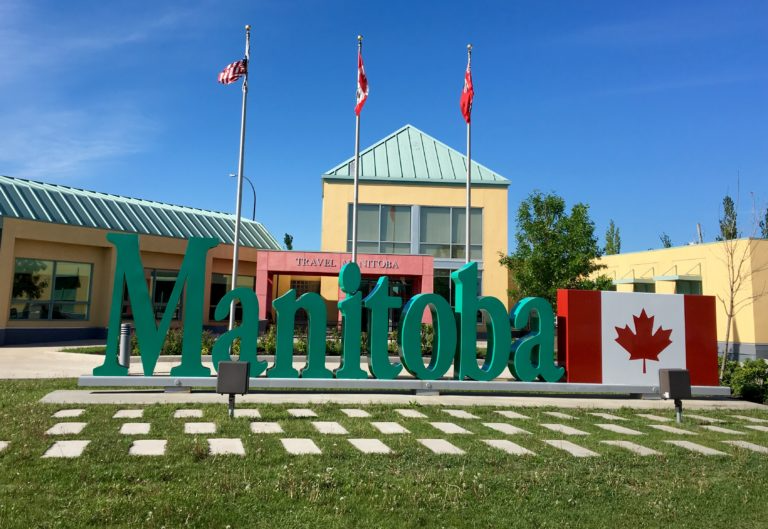
Canada remains one of the most attractive destinations for entrepreneurs, investors, and skilled business owners seeking a stable economy, excellent healthcare, quality education, and long-term residency opportunities. Among the many immigration pathways available, the Manitoba Business Investor Stream (BIS) has become one of the most practical options for experienced entrepreneurs who want to establish or purchase a business in Canada while securing permanent residency.
For immigrants from Nigeria and other countries looking to relocate with their families, the Manitoba Business Investor Stream offers a structured pathway to settle in one of Canada’s fastest-growing provinces. Manitoba welcomes foreign investors who can contribute to the local economy, create jobs, and actively manage businesses within the province.
In this 2026 guide, you will learn everything about the Manitoba Business Investor Stream, including eligibility requirements, investment thresholds, application procedures, processing stages, costs, benefits, and practical tips that can improve your chances of approval.
What Is the Manitoba Business Investor Stream?
The Manitoba Business Investor Stream (BIS) is a provincial immigration pathway managed under the Manitoba Provincial Nominee Program (MPNP). It is designed for qualified entrepreneurs and farm investors who intend to establish, purchase, or partner in a business in Manitoba.
Unlike many traditional immigration routes that rely heavily on job offers, this program focuses on business experience, investment capability, and the ability to contribute to Manitoba’s economy.
The stream is divided into two categories:
- Entrepreneur Pathway
- Farm Investor Pathway
Most international applicants, especially entrepreneurs and business owners, apply through the Entrepreneur Pathway.
The program allows successful candidates to eventually apply for Canadian permanent residency after fulfilling their business performance agreement.
Why Manitoba Is Attractive for Business Immigrants
Many immigrants focus only on Toronto or Vancouver, but Manitoba offers several unique advantages that make it highly appealing to entrepreneurs.
Lower Cost of Living
Compared to major Canadian cities, Manitoba has more affordable housing, lower operational costs, and cheaper business startup expenses.
Strong Business Opportunities
The province supports sectors such as:
- Agriculture
- Transportation
- Manufacturing
- Information technology
- Retail
- Healthcare services
- Construction
- Food processing
Supportive Immigration Policies
Manitoba actively encourages immigrant entrepreneurs and often processes provincial nominations faster than some larger provinces.
Family Benefits
Successful applicants can relocate with their spouse and dependent children while accessing Canada’s healthcare and education systems.
Manitoba Entrepreneur Pathway Explained
The Entrepreneur Pathway is the most popular option under the Manitoba Business Investor Stream.
This pathway targets experienced entrepreneurs who intend to establish a new business or purchase an existing business in Manitoba.
Instead of requiring a large upfront deposit as older investor programs once did, Manitoba now uses a performance-based system.
Applicants first receive a temporary work permit. After successfully operating the business according to agreed conditions, they may receive provincial nomination for permanent residency.
Key Eligibility Requirements in 2026
Immigration policies may evolve slightly each year, but the general eligibility structure remains consistent.
Below are the major requirements expected for 2026 applicants.
1. Business Experience
Applicants must demonstrate significant business management experience.
Typically, candidates should have:
- At least 3 years of full-time work experience within the last 5 years
- Experience as an active business owner or senior manager
- Proven decision-making authority in business operations
Business owners usually receive stronger assessment scores than senior managers.
2. Minimum Net Worth
Applicants must show legally acquired personal net worth.
Expected minimums include:
- CAD $500,000 net worth for the Entrepreneur Pathway
Assets may include:
- Real estate
- Business ownership
- Savings
- Investments
- Stocks
Applicants must provide proper documentation proving the legitimacy of their funds.
3. Minimum Investment Requirement
Investment thresholds depend on the business location.
Expected 2026 requirements include:
Inside Winnipeg Metropolitan Region
- Minimum investment of CAD $250,000
Outside Winnipeg
- Minimum investment of CAD $150,000
Businesses located outside Winnipeg may receive stronger consideration because Manitoba encourages regional economic development.
4. Language Requirements
Applicants are generally expected to demonstrate language ability equivalent to:
- Canadian Language Benchmark (CLB) 5
Accepted tests usually include:
- IELTS General Training
- CELPIP
- TEF Canada
Strong English proficiency can significantly improve application competitiveness.
5. Educational Qualifications
Although formal higher education may not always be mandatory, applicants typically need:
- Minimum high school education equivalent to Canadian standards
Post-secondary education can improve scoring and credibility.
6. Business Research Visit
Applicants are encouraged to conduct a Business Research Visit before submitting their application.
This visit helps candidates:
- Understand Manitoba’s economy
- Explore business opportunities
- Meet local business stakeholders
- Assess market demand
A well-documented exploratory visit can strengthen an application substantially.
Step-by-Step Process to Apply in 2026
Understanding the process clearly can help applicants avoid delays and costly mistakes.
Step 1: Assess Eligibility
Before applying, carefully review the official Manitoba requirements and determine whether you meet:
- Net worth requirements
- Business experience standards
- Language requirements
- Investment obligations
Many applicants also work with licensed immigration consultants or lawyers at this stage.
Step 2: Conduct Business Research
A research trip to Manitoba is highly recommended.
During this trip, applicants should:
- Investigate industries
- Meet potential partners
- Review commercial properties
- Explore franchise opportunities
- Understand local regulations
A detailed business concept often improves approval chances.
Step 3: Submit an Expression of Interest (EOI)
Candidates submit an Expression of Interest profile through the Manitoba Provincial Nominee Program.
The EOI is scored based on factors such as:
- Business experience
- Net worth
- Language ability
- Education
- Adaptability
- Investment amount
Higher scores improve invitation chances.
Step 4: Receive Letter of Advice to Apply (LAA)
Top-ranking candidates may receive a Letter of Advice to Apply.
At this stage, applicants submit supporting documentation including:
- Financial records
- Identity documents
- Business ownership evidence
- Language test results
Step 5: Attend an Interview
Some applicants may be invited for an interview with Manitoba immigration officers.
The interview may focus on:
- Business background
- Investment plans
- Source of funds
- Settlement intentions
Honest and consistent answers are essential.
Step 6: Sign a Business Performance Agreement
Approved candidates sign a Business Performance Agreement (BPA).
This document outlines:
- Investment commitments
- Business ownership conditions
- Job creation expectations
- Operational timelines
Step 7: Obtain a Work Permit
Applicants receive support for a temporary work permit from the federal government.
They can then relocate to Manitoba and begin business operations.
Step 8: Establish and Operate the Business
Applicants must actively manage the business according to the Business Performance Agreement.
This stage is extremely important because nomination depends on successful business implementation.
Step 9: Receive Provincial Nomination
Once Manitoba confirms that the applicant fulfilled all business obligations, the province may issue a provincial nomination.
The applicant can then apply for Canadian permanent residency.
Best Businesses to Start in Manitoba
Choosing the right business is critical.
Some sectors with strong growth potential include:
Transportation and Logistics
Canada’s supply chain industry continues to grow, especially in central provinces like Manitoba.
Potential opportunities include:
- Trucking companies
- Delivery services
- Warehousing
- Freight brokerage
Agriculture and Food Processing
Manitoba has a strong agricultural economy.
Profitable areas include:
- Poultry farming
- Grain processing
- Food packaging
- Greenhouse operations
Healthcare Support Services
Canada’s aging population continues to create demand for healthcare-related businesses.
Examples include:
- Homecare services
- Medical transportation
- Healthcare staffing
Construction and Skilled Trades
Growing communities require:
- Renovation companies
- Electrical services
- Plumbing services
- Roofing businesses
Technology and IT Services
Digital businesses remain highly scalable and attractive.
Examples include:
- Software development
- Cybersecurity consulting
- Digital marketing agencies
- E-commerce operations
Advantages of the Manitoba Business Investor Stream
Pathway to Permanent Residency
One major advantage is the ability to transition from a temporary work permit to Canadian permanent residency.
Lower Competition Than Major Provinces
Compared to Ontario or British Columbia, Manitoba often has lower competition levels.
Family Inclusion
Applicants can bring:
- Spouse
- Common-law partner
- Dependent children
Children may access public education while spouses may qualify for work opportunities.
Affordable Business Environment
Business operational costs are generally lower than in larger Canadian provinces.
Growing Economy
Manitoba’s economy continues to benefit from:
- Infrastructure expansion
- Agricultural exports
- Immigration growth
- Technology development
Common Mistakes Applicants Should Avoid
Submitting Weak Business Plans
Generic or unrealistic business proposals can reduce approval chances.
A strong business plan should include:
- Financial projections
- Market research
- Competitive analysis
- Employment impact
Inadequate Financial Documentation
Applicants must clearly prove their source of funds.
Unexplained transactions may trigger additional scrutiny.
Poor Language Preparation
Even if language scores meet minimum requirements, stronger communication skills help during interviews and business operations.
Ignoring Regional Opportunities
Many applicants focus only on Winnipeg.
However, smaller communities may offer:
- Lower investment costs
- Easier market entry
- Better provincial support
How Much Does the Entire Process Cost?
Costs vary depending on family size, business type, and legal support.
Typical expenses may include:
| Expense Category | Estimated Cost |
|---|---|
| Net Worth Verification | CAD $3,000–$5,000 |
| Language Testing | CAD $300–$400 |
| Exploratory Visit | CAD $3,000–$8,000 |
| Immigration Application Fees | CAD $2,500+ |
| Legal or Consulting Fees | CAD $5,000–$20,000 |
| Business Investment | CAD $150,000–$250,000+ |
Applicants should also maintain additional settlement funds for living expenses.
Can Nigerians Apply Successfully?
Absolutely.
Many Nigerians already immigrate to Canada yearly through provincial nominee programs and business pathways.
Successful Nigerian applicants often have backgrounds in:
- Retail
- Transportation
- Oil and gas services
- Agriculture
- Real estate
- Technology
- Import/export businesses
Strong financial records, genuine business intentions, and clear settlement plans can improve success rates significantly.
Tips to Increase Your Chances of Approval
Improve Your English Skills
Higher language scores strengthen both your immigration profile and business communication ability.
Build a Detailed Business Plan
Your proposal should demonstrate:
- Economic viability
- Job creation potential
- Market understanding
Professional business plan writers can sometimes help improve presentation quality.
Maintain Clean Financial Records
Immigration authorities carefully review:
- Tax records
- Bank statements
- Business ownership documents
Transparency is essential.
Consider Regional Manitoba Communities
Smaller communities may provide additional support and lower operating costs.
Seek Professional Guidance
Working with licensed immigration professionals may help reduce costly mistakes during the application process.
Is the Manitoba Business Investor Stream Worth It in 2026?
For entrepreneurs seeking Canadian permanent residency through investment and business ownership, the Manitoba Business Investor Stream remains one of the strongest pathways available in 2026.
Unlike passive investment programs that require enormous capital, Manitoba focuses on active entrepreneurs willing to contribute to the local economy.
The program combines several advantages:
- Lower investment thresholds
- Affordable living costs
- Business opportunities
- Family relocation benefits
- Pathway to permanent residency
Applicants who prepare thoroughly, maintain strong documentation, and present realistic business plans often position themselves for long-term success in Canada.
Final Thoughts
Migrating to Canada through the Manitoba Business Investor Stream in 2026 can be a life-changing opportunity for experienced entrepreneurs and investors.
With proper planning, financial preparation, and a genuine commitment to building a successful business in Manitoba, applicants can secure both economic opportunities and a stable future for their families.
As Canada continues to welcome business immigrants who can stimulate economic growth, Manitoba remains one of the most practical and accessible provinces for entrepreneurial migration.
Before beginning your application, carefully review the latest provincial guidelines, gather proper financial records, and create a business strategy that aligns with Manitoba’s economic priorities.
A well-prepared application can significantly improve your chances of successfully relocating to Canada and eventually becoming a permanent resident.

Leave a Reply