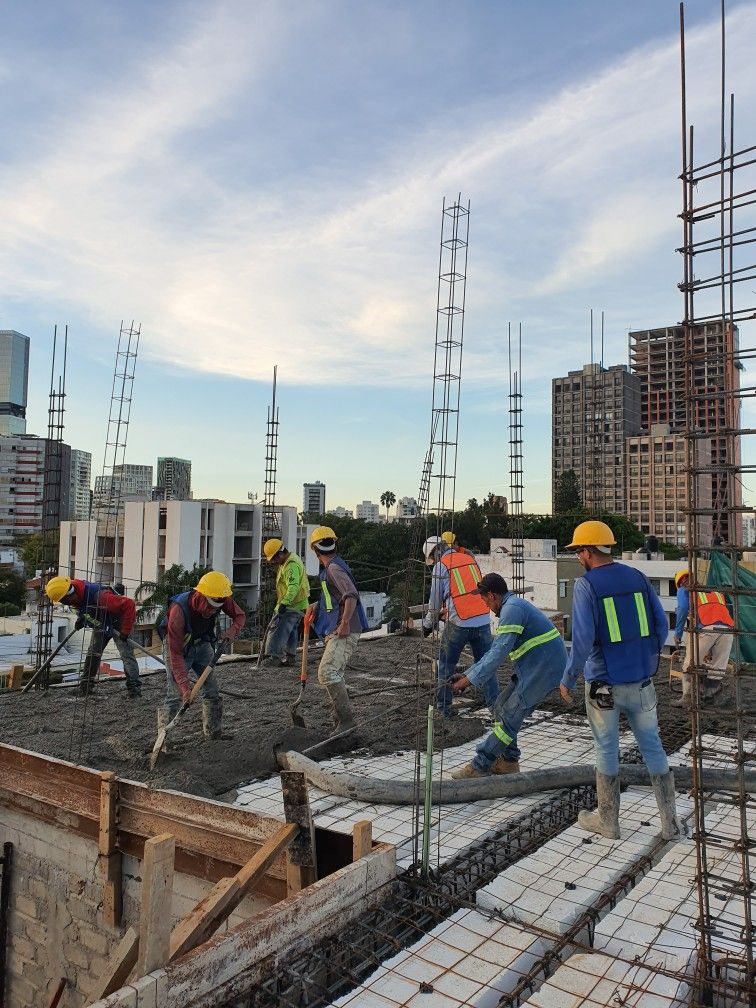
Germany remains one of the top destinations for skilled foreign workers seeking stable employment, competitive salaries, and long-term residency opportunities in Europe. With the country facing a growing shortage of skilled construction professionals, international applicants now have more opportunities than ever to secure high-paying construction jobs with visa sponsorship.
For skilled workers from Nigeria, Ghana, Kenya, India, Pakistan, the Philippines, and other developing countries, Germany’s construction industry offers a pathway to legal employment, career growth, and permanent settlement opportunities. In 2026, construction companies across Germany are actively recruiting foreign talent for roles in civil engineering, electrical installation, plumbing, welding, masonry, carpentry, roofing, and heavy equipment operation.
This guide explains everything you need to know about securing a €50,700 construction job in Germany, including salary expectations, visa requirements, in-demand roles, application strategies, and relocation tips.
Why Germany Needs Foreign Construction Workers in 2026
Germany is investing heavily in infrastructure development, residential housing, transportation projects, renewable energy facilities, and commercial construction. However, the country is currently experiencing a shortage of local skilled labor.
Several factors are contributing to this demand:
- Aging workforce and retirement of skilled tradespeople
- Increased government investment in infrastructure
- Rising housing demand in major cities
- Expansion of renewable energy projects
- Growth in industrial and commercial construction
As a result, many German employers are now willing to hire qualified international workers and support work visa applications.
For foreign applicants, this creates a rare opportunity to enter the European labor market legally while earning a competitive income.
Average Construction Salaries in Germany
Construction salaries in Germany vary depending on experience, certifications, job role, and location. Skilled professionals working in specialized trades often earn significantly higher salaries than entry-level workers.
Here are estimated annual salaries for common construction roles in 2026:
| Job Role | Estimated Annual Salary |
|---|---|
| Construction Project Manager | €50,700 – €78,000 |
| Civil Engineer | €48,000 – €72,000 |
| Electrician | €42,000 – €58,000 |
| Plumber | €40,000 – €55,000 |
| Welder | €38,000 – €52,000 |
| Carpenter | €36,000 – €50,000 |
| Crane Operator | €45,000 – €60,000 |
| Heavy Equipment Operator | €44,000 – €62,000 |
| Mason/Bricklayer | €35,000 – €48,000 |
Workers with German language skills, European certifications, or several years of experience generally earn higher wages.
Benefits of Working in Germany’s Construction Industry
Germany offers more than just attractive salaries. Foreign construction workers can also benefit from:
1. Visa Sponsorship Opportunities
Many employers help qualified foreign workers obtain legal work authorization through Germany’s skilled worker visa programs.
2. Stable Employment
Construction demand remains strong across Germany, especially in cities like Berlin, Munich, Frankfurt, Hamburg, and Stuttgart.
3. Social Benefits
Employees in Germany typically receive:
- Health insurance
- Pension contributions
- Paid vacation
- Sick leave
- Workplace protection rights
4. Permanent Residency Pathway
Foreign workers who maintain legal employment may eventually qualify for permanent residency.
5. Family Reunification
Certain visa categories allow workers to bring spouses and children to Germany.
Most In-Demand Construction Jobs in Germany
Germany’s labor shortage affects multiple areas within the construction industry. Some of the most sought-after positions include:
Civil Engineers
Civil engineers oversee infrastructure projects, structural planning, and site management. Candidates with engineering degrees and project management experience are highly valued.
Electricians
Germany’s push toward renewable energy and smart infrastructure has increased demand for licensed electricians.
Welders
Experienced welders are needed in industrial construction, manufacturing, and transportation projects.
Carpenters
Residential and commercial development projects continue to drive demand for skilled carpenters.
Heavy Equipment Operators
Operators capable of handling cranes, excavators, bulldozers, and industrial machinery are in short supply.
Plumbers and HVAC Technicians
Germany’s construction boom has created consistent demand for plumbing and heating system specialists.
Requirements to Secure a Construction Job in Germany
Although requirements vary by employer, most construction jobs in Germany require the following:
Relevant Work Experience
Most employers prefer applicants with at least:
- 2–5 years of experience
- Proven hands-on technical skills
- Experience with commercial or industrial projects
Educational Qualifications
Requirements depend on the role:
- Engineers may need a university degree
- Tradespeople may need vocational training certificates
- Some labor roles require only practical experience
Valid Passport
Applicants must possess a valid international passport before beginning the visa process.
German Language Skills
While some employers hire English-speaking workers, learning basic German significantly improves employment opportunities.
A1 or A2 German proficiency can be helpful for:
- Workplace communication
- Safety compliance
- Integration into German society
Clean Criminal Record
Applicants may need police clearance certificates during the visa application process.
Medical Fitness
Some construction positions require proof of medical fitness for physically demanding work.
Germany Work Visa Options for Construction Workers
Germany offers several immigration pathways for skilled foreign workers.
Skilled Worker Visa
This is one of the most common options for foreign construction professionals.
To qualify, applicants generally need:
- A recognized qualification
- A valid job offer
- Proof of financial stability
- Health insurance
EU Blue Card
Highly skilled professionals earning above a specified salary threshold may qualify for the EU Blue Card.
This option often provides:
- Faster residency opportunities
- Easier family reunification
- Long-term employment benefits
Opportunity Card (Chancenkarte)
Germany has introduced pathways that allow qualified workers to enter Germany and search for employment legally.
Eligibility may depend on:
- Education
- Work experience
- Language ability
- Age
- Financial resources
How to Find Construction Jobs in Germany
Finding legitimate construction jobs requires a strategic approach. Avoid suspicious offers that promise guaranteed visas or unrealistic salaries.
Here are reliable methods for finding opportunities.
Use Trusted Job Platforms
Many German companies advertise jobs on international recruitment websites.
Look for keywords such as:
- “Visa sponsorship”
- “International applicants welcome”
- “Skilled worker visa”
- “Construction jobs Germany”
Apply Directly to Construction Companies
Large German construction firms often recruit international talent directly through their websites.
Work with Licensed Recruitment Agencies
Reputable agencies can help connect qualified candidates with employers.
Always verify:
- Company registration
- Reviews
- Licensing information
- Official communication channels
Never pay excessive upfront fees for job offers.
Build a Professional CV
German employers appreciate organized and detailed resumes.
Your CV should include:
- Work history
- Technical skills
- Certifications
- Languages spoken
- Machinery or software proficiency
Best German Cities for Construction Jobs
Certain regions in Germany offer stronger construction employment opportunities.
Berlin
Germany’s capital continues to experience major residential and infrastructure development.
Munich
Munich offers some of the highest salaries in the country, particularly for engineers and project managers.
Hamburg
This major port city supports commercial, industrial, and transportation-related construction.
Frankfurt
Frankfurt’s financial sector drives demand for office towers, housing, and infrastructure projects.
Stuttgart
The automotive and industrial sectors contribute to ongoing construction expansion.
Step-by-Step Guide to Securing a Construction Job in Germany
Step 1: Assess Your Qualifications
Review your education, certifications, and work experience to determine suitable roles.
Step 2: Improve Your German Language Skills
Basic German can significantly improve your chances of employment and workplace success.
Step 3: Prepare Professional Documents
Gather:
- Passport
- Resume/CV
- Certificates
- Reference letters
- Passport photographs
Step 4: Search for Jobs
Use verified platforms and recruitment channels.
Step 5: Attend Interviews
Employers may conduct interviews through:
- Zoom
- Microsoft Teams
- Phone calls
Be prepared to discuss your technical skills and experience.
Step 6: Receive a Job Offer
Once hired, your employer may provide documentation needed for your visa application.
Step 7: Apply for a Visa
Submit your application through the German embassy or consulate in your country.
Step 8: Relocate to Germany
After visa approval, you can travel and begin employment legally.
Documents Needed for a German Work Visa
Requirements may vary slightly depending on your country and visa category, but common documents include:
- Valid passport
- Employment contract
- Educational certificates
- Work experience letters
- Visa application forms
- Proof of accommodation
- Health insurance
- Financial documents
- Passport photographs
Applicants should always verify updated requirements through official immigration authorities.
Common Challenges Foreign Workers Face
Relocating to Germany can be rewarding, but there are challenges to consider.
Language Barrier
Even when English is accepted at work, daily life often requires basic German communication.
Qualification Recognition
Certain professions may require official recognition of foreign qualifications.
Housing Costs
Cities like Munich and Frankfurt can be expensive for new arrivals.
Cultural Adjustment
Understanding German workplace culture can help workers adapt more smoothly.
Tips to Increase Your Chances of Getting Hired
Learn Basic German
Even beginner-level language skills can make your application more competitive.
Obtain Additional Certifications
Safety certifications, equipment training, and technical qualifications can strengthen your profile.
Tailor Your CV
Customize your application for each role.
Highlight Technical Skills
Employers value practical experience with:
- Machinery
- Blueprints
- Safety systems
- Project coordination
- Construction software
Apply Consistently
Successful applicants often apply to multiple companies before securing employment.
Avoiding Job Scams
Unfortunately, fake visa sponsorship offers are common online.
Be cautious if an employer:
- Requests large upfront payments
- Guarantees visa approval
- Refuses video interviews
- Uses unofficial email addresses
- Avoids written contracts
Legitimate employers typically follow transparent hiring processes.
Can Nigerians Apply for Construction Jobs in Germany?
Yes. Nigerians and other international applicants can legally apply for skilled construction jobs in Germany if they meet visa and employment requirements.
Many employers are open to hiring qualified foreign workers due to labor shortages.
Applicants with practical construction experience, technical skills, and willingness to learn German often have stronger chances of success.
Cost of Relocating to Germany
Relocation costs vary depending on location and visa category.
Potential expenses include:
| Expense | Estimated Cost |
|---|---|
| Visa Application | €75 – €150 |
| Flight Ticket | €500 – €1,200 |
| Temporary Accommodation | €400 – €1,500 |
| Health Insurance | Varies |
| Language Training | Optional |
Some employers may provide relocation assistance or temporary housing.
What Life Is Like for Construction Workers in Germany
Germany offers a structured work environment with strong labor protections.
Construction workers typically benefit from:
- Regulated work hours
- Safety standards
- Reliable monthly salaries
- Access to healthcare
- Paid annual leave
Workers who perform well may also gain opportunities for promotions, long-term contracts, and residency pathways.
Future Outlook for Construction Jobs in Germany
Germany’s construction sector is expected to remain strong through 2026 and beyond.
Key growth areas include:
- Green energy infrastructure
- Smart city development
- Residential housing
- Transportation modernization
- Industrial expansion
As labor shortages continue, foreign skilled workers are likely to remain an important part of Germany’s workforce strategy.
Final Thoughts
Germany continues to offer excellent opportunities for skilled construction workers seeking stable employment and international career growth. With salaries reaching €50,700 or more for qualified professionals, many foreign applicants are now exploring Germany as a long-term destination for work and settlement.
Success depends on preparation, professional qualifications, persistence, and careful job searching. Candidates who improve their technical skills, learn basic German, and apply strategically can significantly improve their chances of securing a construction job with visa sponsorship.
Whether you are a civil engineer, welder, electrician, carpenter, or equipment operator, Germany’s growing construction industry may provide the opportunity you need to build a better future abroad.

Leave a Reply