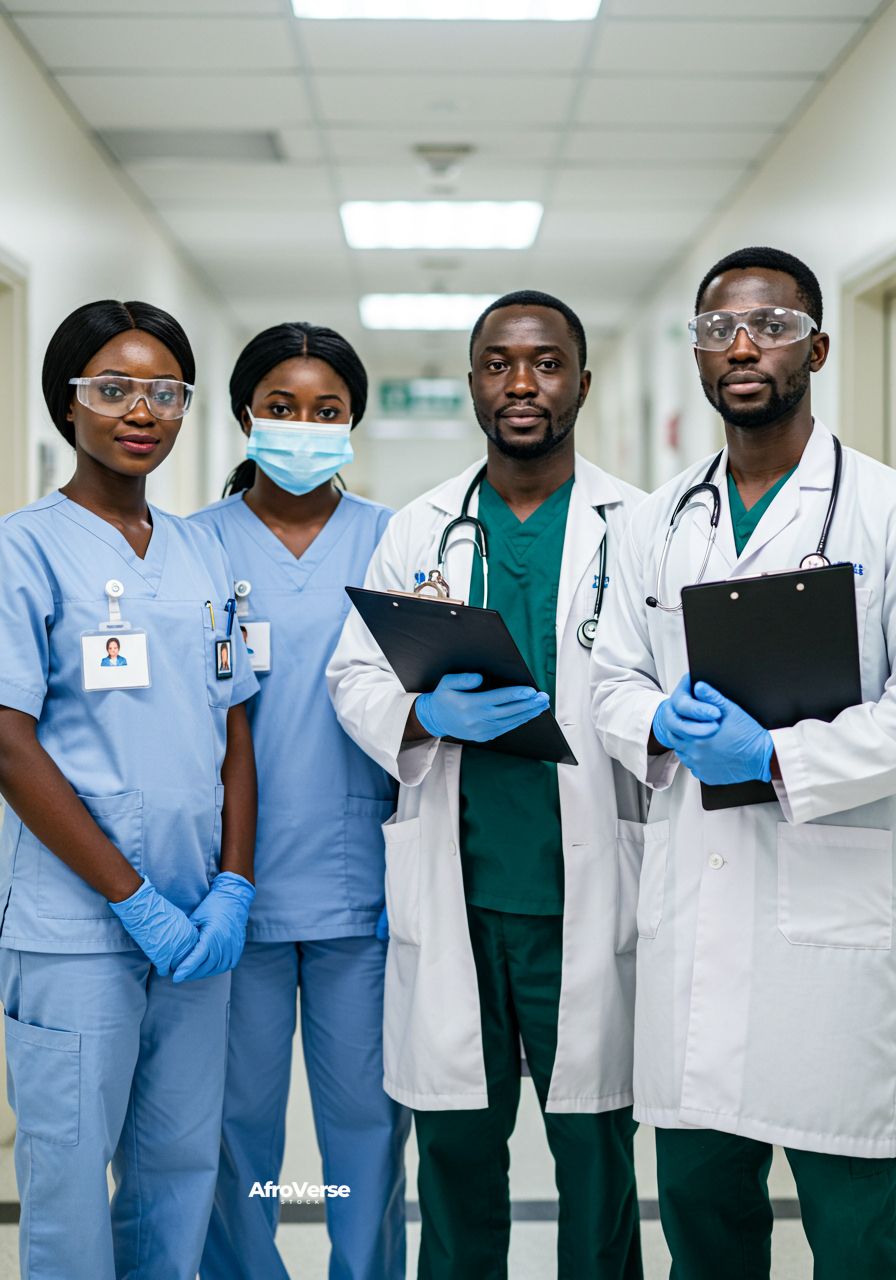
The demand for registered nurses in the United States continues to grow in 2026, creating life-changing opportunities for internationally trained healthcare professionals. Hospitals, rehabilitation centers, nursing homes, and private healthcare providers across the U.S. are actively recruiting foreign nurses through visa sponsorship programs, competitive salary packages, and relocation support.
For many nurses from countries like Nigeria, India, Ghana, Kenya, the Philippines, and South Africa, the American healthcare sector offers more than just employment. It presents a pathway to career growth, financial stability, international exposure, and permanent residency through the EB-3 immigrant visa category.
If you are planning to work in the United States as a registered nurse, understanding how sponsorship works is essential. This guide explains the EB-3 visa process, relocation packages, salary expectations, licensing requirements, top employers hiring foreign nurses, and practical steps to secure sponsorship in 2026.
Why the U.S. Needs International Nurses in 2026
The U.S. healthcare system is facing a persistent nursing shortage driven by several factors:
- Aging population requiring long-term healthcare
- Retirement of experienced nurses
- Increased healthcare demands after the pandemic era
- Expansion of hospitals and elderly care facilities
- Burnout among domestic healthcare workers
According to projections from healthcare industry reports, thousands of nursing vacancies remain unfilled across multiple states. As a result, many employers now depend on internationally educated nurses to bridge staffing gaps.
Foreign nurses are highly valued in areas such as:
- Medical-surgical nursing
- Intensive care (ICU)
- Emergency nursing
- Geriatric care
- Psychiatric nursing
- Pediatric nursing
- Rehabilitation care
Because of this shortage, many healthcare employers are willing to sponsor qualified candidates through employment-based immigration pathways.
What Is the EB-3 Visa for Nurses?
The EB-3 visa is a U.S. employment-based immigrant visa designed for skilled workers, professionals, and other workers. Registered nurses fall under the “professional” or “skilled worker” category.
One major advantage of the EB-3 visa is that it can lead to permanent residency, commonly known as a Green Card.
Unlike temporary work visas, the EB-3 pathway allows qualified nurses to:
- Live permanently in the United States
- Work legally for sponsoring employers
- Bring eligible family members
- Eventually apply for U.S. citizenship if qualified
For many international nurses, the EB-3 visa remains one of the most reliable immigration routes into the American healthcare sector.
Benefits of U.S. Nurse Sponsorship Programs
Healthcare employers competing for talent often provide generous sponsorship benefits to attract international nurses.
Common Relocation Packages Include:
1. Visa Sponsorship
Employers or recruitment agencies may cover:
- Immigration filing costs
- Attorney fees
- Petition processing
- Credential evaluations
2. Flight Tickets
Many hospitals provide one-way airfare for nurses relocating to the United States.
3. Temporary Accommodation
Some employers offer:
- 1–3 months of free housing
- Housing stipends
- Shared accommodation for newly arrived nurses
4. Licensing Support
Support may include:
- NCLEX preparation assistance
- Reimbursement for examination fees
- State licensing assistance
5. Orientation Programs
Hospitals often provide:
- Clinical transition training
- Cultural integration support
- Electronic medical records training
6. Family Relocation Assistance
In some cases, employers may help spouses and children relocate.
7. Competitive Salaries
Registered nurses in the U.S. can earn significantly higher salaries than in many other countries.
Average Salary for Registered Nurses in the U.S. (2026)
Nursing salaries vary depending on:
- State
- Years of experience
- Specialty
- Facility type
- Shift schedules
Below are estimated annual salary ranges for registered nurses in 2026:
| Nursing Specialty | Estimated Salary |
|---|---|
| General Registered Nurse | $70,000 – $110,000 |
| ICU Nurse | $85,000 – $130,000 |
| Emergency Room Nurse | $80,000 – $125,000 |
| Pediatric Nurse | $75,000 – $115,000 |
| Nurse Practitioner | $110,000 – $160,000 |
Additional benefits may include:
- Health insurance
- Retirement plans
- Paid vacation
- Overtime pay
- Tuition reimbursement
- Shift differentials
- Signing bonuses
States such as California, New York, Texas, Florida, Illinois, and Washington often have high demand for sponsored nurses.
Requirements for International Nurses
Before applying for sponsorship opportunities, international nurses must meet certain professional and immigration requirements.
1. Nursing Qualification
Applicants typically need:
- A nursing diploma or bachelor’s degree
- Valid nursing registration in their home country
- Clinical experience
Most employers prefer candidates with at least 1–2 years of work experience.
2. English Language Proficiency
Many nurses must pass English proficiency exams such as:
- IELTS Academic
- TOEFL iBT
- PTE Academic
Minimum score requirements vary depending on state licensing boards and immigration rules.
3. NCLEX-RN Examination
The NCLEX-RN is the licensing exam required to practice as a registered nurse in the United States.
Topics covered include:
- Patient care
- Pharmacology
- Safety protocols
- Clinical judgment
- Nursing ethics
Passing the NCLEX is one of the most important steps toward securing employment sponsorship.
4. Credential Evaluation
International nursing credentials are usually reviewed through organizations such as CGFNS.
Credential verification may assess:
- Educational background
- Nursing licenses
- Clinical training
5. VisaScreen Certificate
Many foreign nurses must obtain a VisaScreen certificate before immigration approval.
This process confirms:
- Educational equivalency
- English proficiency
- Professional licensing standards
Step-by-Step Guide to Getting Sponsored as a Nurse in 2026
Step 1: Complete Your Nursing Education
Ensure your nursing qualification meets international standards.
A Bachelor of Nursing degree often improves employment opportunities.
Step 2: Gain Clinical Experience
Many U.S. healthcare employers prefer nurses with practical bedside experience.
Specialized experience in:
- ICU
- Dialysis
- Emergency care
- Geriatrics
- Oncology
can increase your chances of sponsorship.
Step 3: Pass English Language Exams
Prepare thoroughly for IELTS or TOEFL if required.
Strong communication skills are essential in American healthcare settings.
Step 4: Apply for NCLEX-RN
Choose a U.S. state nursing board and begin the NCLEX application process.
Preparation courses and online study platforms can improve success rates.
Step 5: Search for Sponsorship Employers
Target hospitals and agencies actively recruiting international nurses.
Look for:
- “EB-3 sponsorship”
- “International nurse hiring”
- “Visa-sponsored RN positions”
Step 6: Attend Interviews
Most interviews are conducted online through:
- Zoom
- Microsoft Teams
- Google Meet
Employers may assess:
- Clinical knowledge
- Communication skills
- Adaptability
- Patient care experience
Step 7: Employer Files Immigration Petition
After receiving a job offer:
- The employer files Form I-140
- Immigration processing begins
- Visa documents are submitted
Step 8: Embassy Interview and Relocation
Once approved:
- You attend a U.S. embassy interview
- Receive your immigrant visa
- Travel to the United States
Best U.S. States for Sponsored Nurses
Some states offer particularly strong opportunities for international nurses.
California
- High salaries
- Strong healthcare infrastructure
- Large immigrant communities
Texas
- Lower cost of living
- Numerous hospital systems
- Rapid healthcare expansion
Florida
- Growing elderly population
- Strong demand for geriatric nurses
New York
- Competitive salaries
- Large teaching hospitals
Illinois
- Diverse healthcare employment opportunities
Top Employers Hiring International Nurses
Several healthcare organizations regularly recruit foreign-trained nurses.
Hospitals
- Large teaching hospitals
- Community hospitals
- Private healthcare systems
Nursing Homes
Long-term care facilities frequently sponsor nurses because of staffing shortages.
Rehabilitation Centers
These facilities often recruit international nurses with rehabilitation experience.
Recruitment Agencies
Some licensed international healthcare recruitment agencies assist nurses through:
- Exam preparation
- Immigration processing
- Job placement
Applicants should always verify the legitimacy of agencies before making payments.
Common Challenges International Nurses Face
While the opportunities are attractive, applicants should also understand the challenges.
Licensing Delays
Credential verification and licensing may take several months.
Immigration Processing Times
EB-3 visa processing can vary depending on visa availability and country quotas.
Cultural Adjustment
Adapting to:
- New healthcare systems
- Patient expectations
- Workplace culture
can take time.
Cost of Preparation
Expenses may include:
- Exam fees
- Credential evaluations
- Documentation costs
Proper financial planning is important.
Tips to Improve Your Chances of Getting Sponsored
Build a Strong Resume
Highlight:
- Clinical experience
- Certifications
- Leadership skills
- Specialized training
Prepare for Interviews
Practice answering:
- Clinical scenario questions
- Behavioral questions
- Communication assessments
Earn Additional Certifications
Certifications in:
- BLS
- ACLS
- Critical care nursing
can strengthen your application.
Apply to Multiple Employers
Do not rely on a single employer or recruiter.
Submitting multiple applications increases your chances of success.
Avoiding Nurse Sponsorship Scams
Unfortunately, immigration scams targeting nurses continue to rise.
Warning Signs Include:
- Guaranteed visa promises
- Requests for large upfront payments
- Fake job offers
- Unlicensed recruiters
- No official contract documentation
Always:
- Verify employers
- Research agencies
- Review contracts carefully
- Consult immigration professionals if necessary
Legitimate employers follow transparent recruitment processes.
Can Nurses Bring Their Families?
Yes. Under the EB-3 immigrant visa pathway, eligible spouses and unmarried children under 21 may accompany the primary applicant.
Family members may also:
- Study in the U.S.
- Apply for work authorization in certain cases
- Access healthcare and education opportunities
This makes the EB-3 pathway especially attractive for long-term relocation plans.
Career Growth Opportunities for Nurses in the U.S.
The American healthcare industry offers extensive opportunities for professional development.
International nurses may later advance into roles such as:
- Nurse practitioner
- Nurse educator
- Clinical manager
- Healthcare administrator
- Specialized care consultant
Many employers also support continuing education and advanced degrees.
Is U.S. Nurse Sponsorship Worth It in 2026?
For qualified healthcare professionals seeking career advancement and financial growth, nurse sponsorship opportunities in the United States remain highly attractive in 2026.
Benefits include:
- Higher income potential
- Permanent residency opportunities
- International work experience
- Career progression
- Family relocation pathways
However, success requires preparation, patience, and careful planning.
Candidates who complete licensing requirements early and maintain strong clinical experience are often more competitive in the sponsorship process.
Final Thoughts
The demand for registered nurses in the United States continues to create promising opportunities for international healthcare professionals. Through EB-3 visa sponsorship programs, qualified nurses can secure stable employment, competitive salaries, and long-term residency opportunities.
Although the process involves licensing exams, credential evaluations, and immigration procedures, many nurses successfully transition into rewarding healthcare careers in America each year.
If you are considering relocating to the U.S. as a nurse in 2026, now is an excellent time to begin preparing. Strengthening your qualifications, passing required exams, and researching legitimate sponsorship employers can significantly improve your chances of success.
With proper planning and persistence, international nurses can build fulfilling careers while contributing meaningfully to the American healthcare system.

Leave a Reply