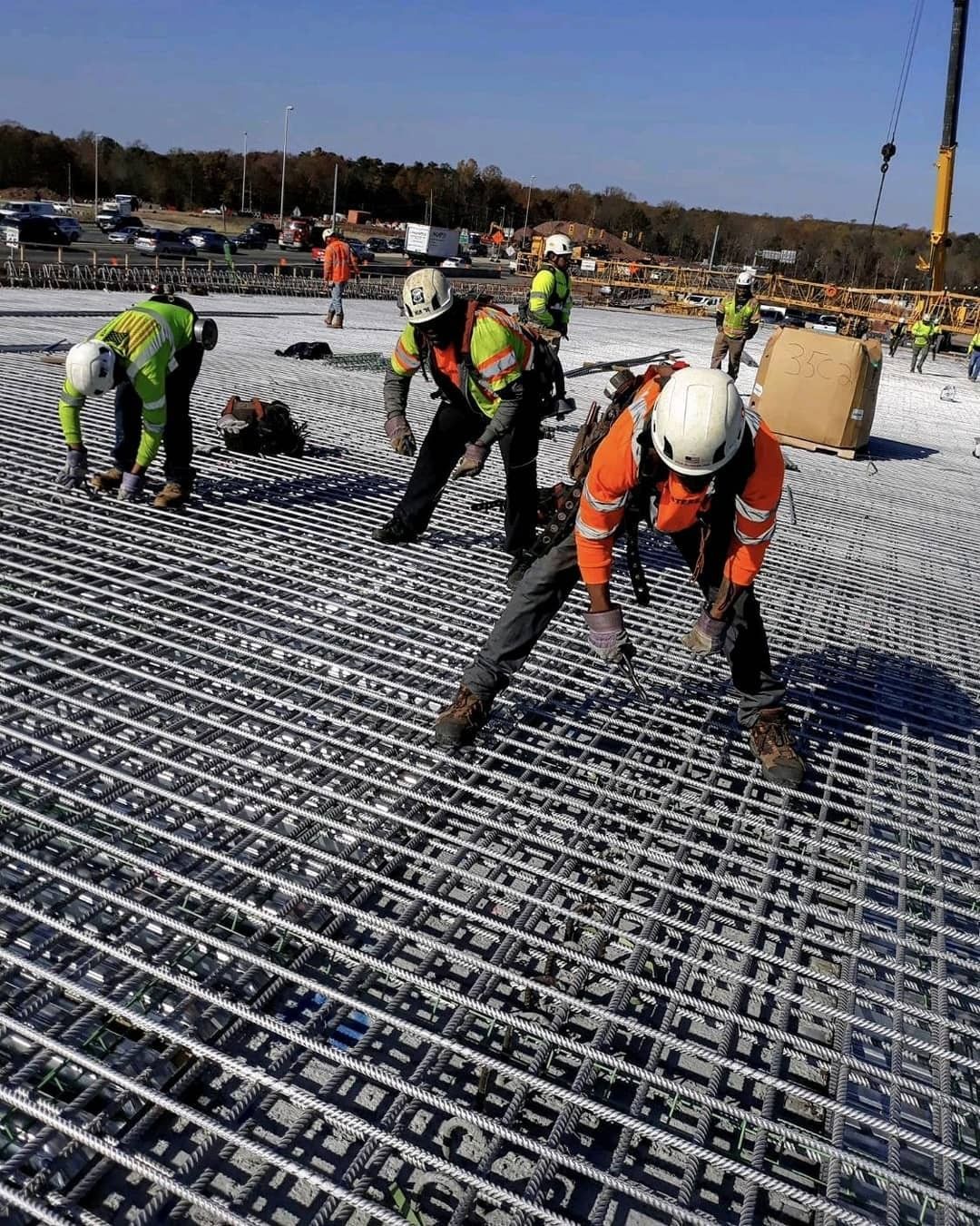
Discover high-paying US construction jobs offering salaries of $59,000 or more. Learn about corporate visa sponsorship, eligibility requirements, in-demand construction careers, application tips, and how international workers can build a successful career in the United States.
The United States construction industry continues to create thousands of employment opportunities each year as cities expand, infrastructure projects increase, and residential and commercial developments remain in high demand. For qualified international workers, this demand presents an opportunity to pursue well-paying careers with employers that may be willing to sponsor eligible foreign professionals for work visas when local talent is unavailable.
Construction is no longer viewed as a field limited to manual labor. Modern construction projects rely on skilled tradespeople, equipment operators, project managers, engineers, estimators, safety specialists, and supervisors who possess specialized expertise. Many of these positions offer competitive salaries, career progression, comprehensive employee benefits, and opportunities for long-term professional growth.
One of the most attractive aspects of the industry is its earning potential. While salaries vary depending on experience, specialization, certification, and location, many construction professionals earn $59,000 per year or more, with experienced workers in specialized roles often earning substantially higher incomes.
If you’re interested in working in the United States, understanding how corporate visa sponsorship works is essential. Although not every employer sponsors international workers, companies experiencing labor shortages or seeking highly skilled professionals may participate in employment-based visa programs when permitted under U.S. immigration regulations.
This comprehensive guide explains the types of high-paying construction jobs available, salary expectations, visa sponsorship considerations, required qualifications, and practical strategies to improve your chances of securing employment.
Why the US Construction Industry Continues to Grow
Several economic and demographic factors continue to support demand for construction professionals across the United States.
These include:
- Population growth in many metropolitan areas
- Ongoing residential housing development
- Commercial real estate projects
- Transportation infrastructure improvements
- Renewable energy construction
- Manufacturing facility expansion
- Industrial modernization projects
- Public infrastructure rehabilitation
Large-scale investments in roads, bridges, airports, data centers, manufacturing plants, hospitals, schools, and energy facilities require experienced construction professionals across numerous specialties.
In addition, many experienced construction workers are approaching retirement age, creating workforce gaps that employers continue working to fill through recruitment, training, and, where legally applicable, international hiring.
Can International Workers Get Construction Jobs in the USA?
Yes—but there are important qualifications to understand.
International applicants generally need legal authorization to work in the United States. In some cases, employers may sponsor eligible candidates for employment-based visas if they cannot readily fill specific roles with qualified workers already authorized to work in the country.
Visa sponsorship depends on several factors, including:
- Employer hiring needs
- Position requirements
- Immigration regulations
- Candidate qualifications
- Availability of appropriate work visa categories
It’s important to understand that visa sponsorship is never guaranteed, and each employer determines whether sponsorship is appropriate for a particular position.
Candidates with specialized skills, industry certifications, significant work experience, or expertise in high-demand construction fields may have stronger employment prospects than applicants with limited experience.
Understanding Corporate Visa Sponsorship
Corporate visa sponsorship refers to an employer supporting an eligible foreign worker’s application for a work-authorized immigration pathway, subject to U.S. immigration laws and government approval.
The sponsoring employer typically demonstrates that:
- The position is legitimate.
- The candidate meets the job requirements.
- Applicable immigration procedures have been followed.
- Any required labor or regulatory obligations have been satisfied.
Government agencies—not employers—make the final decisions regarding visa approvals.
Because immigration policies can change, applicants should always review the latest requirements through official U.S. government resources before beginning the application process.
Why Construction Employers May Sponsor Skilled Workers
Construction companies operate under strict project deadlines.
Delays can result in:
- Increased project costs
- Contract penalties
- Scheduling conflicts
- Reduced profitability
- Labor shortages
When employers struggle to recruit qualified workers locally for specialized positions, some may consider eligible international candidates who possess valuable technical skills and relevant experience.
Common shortages may occur in areas such as:
- Commercial electrical work
- Industrial welding
- Heavy equipment operation
- Structural steel installation
- Mechanical systems
- Civil construction
- Project management
- Specialty concrete work
The greater your specialization, the more competitive your profile may become.
Average Salaries in US Construction
Construction salaries vary widely based on:
- Geographic location
- Industry sector
- Employer size
- Experience
- Certifications
- Union membership
- Technical specialization
Below are approximate annual salary ranges for several construction occupations.
| Position | Estimated Annual Salary |
|---|---|
| Construction Laborer | $40,000–$59,000+ |
| Carpenter | $50,000–$78,000 |
| Electrician | $60,000–$95,000 |
| Plumber | $58,000–$92,000 |
| Heavy Equipment Operator | $60,000–$90,000 |
| Welder | $58,000–$85,000 |
| Construction Supervisor | $75,000–$110,000 |
| Site Superintendent | $90,000–$140,000 |
| Construction Manager | $95,000–$150,000+ |
| Civil Engineer | $85,000–$135,000 |
These figures are estimates and may vary based on employer, region, certifications, overtime, and market conditions.
Benefits Beyond Salary
Many construction employers offer comprehensive benefits packages to eligible employees.
Potential benefits may include:
- Health insurance
- Dental insurance
- Vision insurance
- Retirement savings plans
- Paid vacation
- Paid holidays
- Safety training
- Tuition reimbursement
- Professional certification support
- Performance bonuses
- Overtime opportunities
- Career advancement programs
Benefit eligibility differs by employer and employment status.
States Offering Strong Construction Employment Opportunities
Construction activity is especially robust in several states due to population growth, infrastructure investment, manufacturing expansion, and commercial development.
Some of the strongest employment markets include:
Texas
Texas consistently ranks among the nation’s largest construction markets.
Major opportunities exist in:
- Commercial construction
- Energy infrastructure
- Residential housing
- Manufacturing facilities
- Industrial projects
Rapid population growth continues to fuel demand for skilled trades.
Florida
Florida experiences significant residential and commercial development.
Popular construction sectors include:
- Hotels and hospitality
- Residential communities
- Healthcare facilities
- Transportation infrastructure
- Coastal development
The state’s expanding economy supports hiring across numerous construction occupations.
California
California offers some of the highest-paying construction jobs in the country.
Demand remains strong in:
- Commercial construction
- Technology campuses
- Renewable energy
- Transportation projects
- Public infrastructure
- Multi-family housing
Although salaries can be high, living costs are also generally higher than the national average.
Arizona
Arizona’s expanding population has increased demand for:
- Residential builders
- Heavy equipment operators
- Electricians
- Concrete specialists
- Plumbing professionals
Phoenix and surrounding metropolitan areas continue to see substantial development activity.
North Carolina
Manufacturing investments and population growth have increased construction demand across North Carolina.
Growth areas include:
- Industrial facilities
- Warehouses
- Data centers
- Residential housing
- Healthcare construction
Georgia
Atlanta remains one of the fastest-growing metropolitan regions in the United States.
Construction employers frequently recruit professionals for:
- Commercial buildings
- Transportation projects
- Logistics facilities
- Airport expansion
- Residential developments
Skills That Increase Your Hiring Potential
Construction employers increasingly seek candidates who combine technical expertise with strong workplace skills.
Highly valued technical skills include:
- Blueprint reading
- Construction mathematics
- Welding
- Electrical systems
- Plumbing installation
- HVAC systems
- Concrete finishing
- Heavy machinery operation
- Safety compliance
- Equipment maintenance
Equally important are transferable skills such as:
- Communication
- Problem-solving
- Teamwork
- Reliability
- Time management
- Leadership
- Adaptability
- Attention to detail
Candidates who demonstrate both technical competence and professionalism often stand out during the hiring process.
Certifications That Can Strengthen Your Application
While certification requirements vary by role and employer, recognized credentials can enhance your competitiveness and demonstrate a commitment to safety and professional standards.
Examples include:
- Occupational safety training
- Trade-specific licenses (where applicable)
- Welding certifications
- Heavy equipment operation credentials
- Electrical or plumbing certifications
- Construction management certifications
- First aid and CPR training
Keep in mind that licensing requirements differ by state and occupation, so you should verify any required credentials before applying.
Highest-Paying Construction Jobs in the United States
The construction industry offers career opportunities for professionals with varying levels of education and experience. While entry-level positions provide a pathway into the field, specialized trades and leadership roles typically command significantly higher salaries.
Below are some of the most sought-after construction careers.
1. Construction Manager
Estimated Annual Salary: $95,000–$150,000+
Construction managers oversee projects from planning through completion. They coordinate budgets, schedules, subcontractors, materials, inspections, and client communications while ensuring projects meet quality and safety standards.
Typical Responsibilities
- Managing project timelines
- Coordinating contractors and suppliers
- Monitoring budgets
- Conducting site inspections
- Managing construction teams
- Resolving project challenges
- Ensuring compliance with regulations
Preferred Qualifications
- Degree in construction management, engineering, or a related field (often preferred)
- Several years of construction experience
- Leadership and project management skills
- Strong communication abilities
This position is particularly attractive because experienced managers are often in demand across commercial, industrial, and infrastructure projects.
2. Civil Engineer
Estimated Annual Salary: $85,000–$135,000
Civil engineers design and supervise infrastructure projects such as roads, bridges, airports, drainage systems, and public utilities.
Their expertise is essential throughout planning, permitting, construction, and maintenance.
Responsibilities
- Designing infrastructure
- Reviewing technical drawings
- Supervising construction quality
- Performing site assessments
- Preparing engineering reports
- Working with government agencies
Candidates generally require an engineering degree and may need state licensure depending on the role.
3. Site Superintendent
Estimated Annual Salary: $90,000–$140,000
Site superintendents manage daily operations at construction sites.
They ensure projects remain on schedule while maintaining productivity and safety.
Daily Duties
- Supervising workers
- Coordinating subcontractors
- Monitoring quality
- Scheduling deliveries
- Conducting safety meetings
- Reporting project progress
Experienced superintendents often advance from skilled trade backgrounds.
4. Heavy Equipment Operator
Estimated Annual Salary: $60,000–$90,000
Heavy equipment operators control machinery such as:
- Bulldozers
- Excavators
- Loaders
- Cranes
- Backhoes
- Motor graders
- Rollers
Operators with certifications and experience handling specialized equipment frequently enjoy strong employment prospects.
5. Electrician
Estimated Annual Salary: $60,000–$95,000
Electricians install, repair, and maintain electrical systems in residential, commercial, and industrial buildings.
Demand continues to grow due to:
- Renewable energy projects
- Smart buildings
- Data centers
- Manufacturing expansion
- Commercial construction
Licensed electricians with several years of experience often earn above-average salaries.
6. Commercial Plumber
Estimated Annual Salary: $58,000–$92,000
Commercial plumbers install piping systems in:
- Hospitals
- Hotels
- Schools
- Office buildings
- Industrial facilities
This occupation requires technical expertise, problem-solving skills, and knowledge of building codes.
7. Structural Welder
Estimated Annual Salary: $58,000–$85,000
Structural welders fabricate and install steel frameworks for buildings, bridges, factories, and industrial facilities.
Certified welders who specialize in structural or industrial projects are frequently sought after.
8. HVAC Technician
Estimated Annual Salary: $60,000–$90,000
Heating, ventilation, and air conditioning (HVAC) technicians install and service climate control systems in homes, offices, healthcare facilities, and manufacturing plants.
The transition toward energy-efficient buildings continues to support demand for experienced HVAC professionals.
Industries Hiring Construction Professionals
Construction skills are valuable across many sectors.
These include:
Residential Construction
Residential builders work on:
- Single-family homes
- Apartment complexes
- Housing developments
- Luxury residences
Commercial Construction
Commercial projects include:
- Shopping centers
- Hotels
- Office buildings
- Hospitals
- Universities
- Warehouses
Industrial Construction
Industrial employers construct:
- Manufacturing facilities
- Refineries
- Distribution centers
- Processing plants
- Energy infrastructure
Infrastructure Construction
Infrastructure projects include:
- Roads
- Bridges
- Railways
- Airports
- Water systems
- Public transportation
Governments and private contractors regularly invest in these essential projects, creating ongoing employment opportunities.
Companies That May Sponsor Qualified International Workers
Some large construction and engineering firms have previously hired international professionals for specialized roles when business needs and immigration regulations allow. Sponsorship practices vary by role, location, and changing workforce demands.
Examples of well-known companies in the industry include:
- Bechtel
- Fluor
- Kiewit
- Turner Construction
- AECOM
- Skanska USA
- DPR Construction
- Jacobs
- Gilbane Building Company
- Clark Construction Group
Keep in mind:
- Not every position includes visa sponsorship.
- Sponsorship depends on employer needs and applicable immigration rules.
- Job postings should clearly state whether sponsorship is available.
Review each employer’s careers page carefully before applying.
Qualifications Employers Often Look For
Hiring requirements vary depending on the position.
However, employers frequently value candidates who have:
- Relevant work experience
- Trade certifications
- Technical expertise
- Safety training
- Strong communication skills
- Teamwork experience
- Reliability
- Ability to meet project deadlines
Leadership positions often require additional supervisory experience.
Experience That Can Strengthen Your Application
International applicants can improve their competitiveness by highlighting experience such as:
- Commercial construction
- Industrial projects
- Large infrastructure developments
- High-rise buildings
- Manufacturing facilities
- Renewable energy projects
- Heavy machinery operation
- Project supervision
Quantifying achievements can also strengthen your resume.
For example:
- Managed a team of 25 workers.
- Completed projects ahead of schedule.
- Reduced material waste.
- Improved workplace safety performance.
- Coordinated multimillion-dollar projects.
Specific, measurable accomplishments help employers better understand your capabilities.
Building a Competitive Resume
Your resume is often the first impression you make on a hiring manager. A well-structured document can significantly improve your chances of securing an interview.
Include the following sections:
Professional Summary
Briefly describe:
- Years of experience
- Areas of specialization
- Technical expertise
- Career achievements
Example:
“Experienced commercial construction supervisor with over eight years of experience managing large-scale building projects, coordinating multidisciplinary teams, and maintaining high safety standards.”
Technical Skills
Highlight skills relevant to the position, such as:
- Blueprint interpretation
- Concrete construction
- Structural steel
- OSHA safety practices
- Heavy equipment operation
- Scheduling software
- Cost estimation
- Project coordination
Work Experience
For each position include:
- Employer
- Job title
- Employment dates
- Major accomplishments
- Leadership responsibilities
- Key projects
Focus on achievements rather than simply listing duties.
Certifications
List certifications such as:
- OSHA safety training
- Welding certifications
- Equipment operator licenses
- CPR/First Aid
- Trade licenses (where applicable)
Education
Include:
- Degrees
- Diplomas
- Technical schools
- Apprenticeships
- Vocational training
Preparing for Construction Job Interviews
Employers commonly ask questions about:
- Previous projects
- Safety practices
- Team leadership
- Conflict resolution
- Equipment operation
- Project scheduling
- Quality control
Prepare examples that demonstrate:
- Leadership
- Problem-solving
- Adaptability
- Communication
- Technical expertise
Using specific examples from your experience can make your responses more compelling.
Understanding U.S. Work Visa Pathways
International construction professionals should understand that working in the United States generally requires appropriate work authorization. Depending on the role and the employer’s needs, different employment-based visa pathways may be relevant.
Some of the visa categories employers may consider include:
- H-2B Visa: Often used for eligible temporary non-agricultural positions when employers can demonstrate a seasonal, peak-load, or temporary labor need.
- H-1B Visa: Primarily intended for specialty occupations that generally require at least a bachelor’s degree or equivalent in a specialized field. This may apply to certain engineering or construction management positions that meet legal requirements.
- Employment-Based Permanent Residence (EB) Categories: Some employers may sponsor eligible workers for permanent employment through applicable employment-based immigration categories, subject to U.S. immigration laws and government approval.
The appropriate pathway depends on the position, the candidate’s qualifications, employer sponsorship, and current immigration regulations. Visa availability, eligibility requirements, and government policies can change over time, so applicants should always consult official U.S. government resources or qualified immigration professionals for the most up-to-date information.
Tips for Finding Employers That Offer Sponsorship
A strategic job search can improve your chances of identifying employers open to hiring international talent.
Consider these approaches:
- Search reputable job boards that allow you to filter for sponsorship or work authorization information.
- Visit the careers pages of large construction, engineering, and infrastructure companies.
- Attend virtual or in-person construction career fairs where international recruitment is discussed.
- Build a professional profile on networking platforms and connect with recruiters in the construction industry.
- Tailor each application to the specific job description instead of sending the same resume to every employer.
- Continue developing your technical skills and certifications to remain competitive.
Remember that even when sponsorship is available, employers typically prioritize candidates whose qualifications closely match the requirements of the role.
Common Mistakes to Avoid When Applying
Many qualified candidates miss opportunities because of avoidable errors during the application process. Paying attention to these details can improve your chances of moving forward in the hiring process.
1. Applying Without Meeting the Minimum Requirements
Read each job description carefully before submitting an application. Employers often specify required certifications, years of experience, education, or technical skills. Applying only for roles that match your qualifications helps you focus your efforts more effectively.
2. Using a Generic Resume
A resume that is tailored to the position demonstrates genuine interest and highlights the experience most relevant to the employer. Update your professional summary, skills, and accomplishments to align with each job posting.
3. Ignoring Safety Experience
Construction employers place a high priority on workplace safety. Be sure to include relevant safety training, certifications, and examples of following established safety procedures.
4. Overlooking Soft Skills
Technical expertise is important, but employers also value communication, teamwork, reliability, leadership, and problem-solving. Include examples that demonstrate these strengths.
5. Providing Inaccurate Information
Always present truthful information about your qualifications, certifications, and employment history. Misrepresenting your experience can lead to disqualification or future employment issues.
How to Improve Your Chances of Getting Hired
Competition for well-paying construction positions can be strong, especially with large employers. The following strategies can help strengthen your application.
Continue Developing Your Skills
Employers value candidates who invest in professional growth. Consider expanding your expertise in areas such as:
- Project management
- Blueprint interpretation
- Construction estimating
- Building information modeling (BIM)
- Advanced equipment operation
- Sustainable construction practices
Keeping your skills current demonstrates adaptability and a commitment to continuous learning.
Earn Relevant Certifications
Industry-recognized certifications can make your resume more competitive. Depending on your career path, certifications in safety, equipment operation, welding, or project management may enhance your qualifications.
Build a Professional Network
Networking can help you discover opportunities that may not be widely advertised.
You can:
- Join construction industry associations.
- Attend trade conferences and career fairs.
- Connect with recruiters and professionals through networking platforms.
- Participate in industry webinars and training events.
Professional relationships often lead to valuable career opportunities.
Research Potential Employers
Before applying, learn about each company’s:
- Core services
- Recent projects
- Company values
- Safety culture
- Career development programs
Understanding an employer’s business can help you prepare stronger applications and perform better during interviews.
Frequently Asked Questions
Do all U.S. construction companies offer visa sponsorship?
No. Sponsorship depends on the employer’s hiring needs, the specific role, and applicable U.S. immigration laws. Many positions require applicants to already have authorization to work in the United States.
Can entry-level workers receive sponsorship?
Some temporary or specialized opportunities may be available, but employers generally seek candidates whose skills and experience closely match their workforce needs. Sponsorship for entry-level roles is less common than for specialized or hard-to-fill positions.
Is previous construction experience important?
Yes. Relevant experience can significantly improve your competitiveness, particularly for skilled trade and supervisory positions.
Which construction jobs typically pay the highest salaries?
Higher-paying positions often include:
- Construction Manager
- Site Superintendent
- Civil Engineer
- Project Manager
- Commercial Electrician
- Industrial Plumber
- Specialized Heavy Equipment Operator
Actual compensation varies by employer, location, responsibilities, and experience.
Is a college degree required?
Not always. Many skilled trades rely on vocational training, apprenticeships, certifications, and practical experience. However, positions such as civil engineering and some management roles may require a degree.
Can construction careers provide long-term growth?
Yes. Many professionals begin in entry-level or skilled trade positions and advance into supervisory, management, estimating, or project leadership roles through experience, training, and continued education.
Final Thoughts
The U.S. construction industry continues to offer rewarding career opportunities across residential, commercial, industrial, and infrastructure sectors. For qualified professionals, many roles provide competitive salaries exceeding $59,000 per year, along with opportunities for career advancement, ongoing training, and comprehensive employee benefits.
International candidates interested in these opportunities should focus on developing in-demand technical skills, maintaining relevant certifications, preparing strong application materials, and understanding the legal requirements associated with working in the United States. While some employers may sponsor eligible workers for employment-based visas, sponsorship decisions depend on business needs and applicable immigration regulations.
Approaching your job search with realistic expectations, a commitment to professional development, and well-prepared application materials can improve your chances of finding a position that aligns with your qualifications and long-term career goals.
Whether your goal is to become a skilled tradesperson, supervise major construction projects, or manage large-scale infrastructure developments, investing in your expertise and staying informed about industry trends can help you build a successful career in one of the world’s largest construction markets.

Leave a Reply